
In today’s fast-moving business world, teams need reliable platforms to manage tasks, streamline communication, and keep projects on track. Basecamp has emerged as one of the leading web-based solutions for project management, offering an all-in-one workspace designed to replace scattered tools and endless email threads. Currently, organizations of all sizes rely on Basecamp to centralize to-do lists, discussions, schedules, and file sharing in a single, intuitive interface. This year (2026), the demand for cohesive collaboration software continues to grow as remote and hybrid teams seek clarity and efficiency in their workflows.
In today’s digital landscape, investing in a robust project management tool can significantly improve productivity, transparency, and team morale. Over the following sections, we will explore how Basecamp addresses core collaboration challenges, examine its standout features, review its pricing structure, and compare it with alternative platforms. Along the way, we’ll reference insights from leading authorities such as the National Institute of Standards and Technology (https://www.nist.gov) and Stanford University’s research on remote teamwork (https://www.stanford.edu) to highlight best practices in security and communication. Whether you’re a startup founder, agency leader, or project coordinator, this deep dive into Basecamp will help you decide if it aligns with your organization’s needs today.
Understanding Basecamp’s Core Philosophy
Many projects suffer from disjointed communication, unclear responsibilities, and hidden deadlines. Basecamp’s founding principle is to simplify collaboration by bringing every element of a project under one roof. Rather than juggling emails, chat apps, calendars, and file servers, teams find that Basecamp’s unified environment drastically reduces friction. The platform was developed by 37signals in 2026 and has evolved in today’s environment to serve small and midsize businesses, remote workforces, marketing agencies, and freelance professionals alike.
At its heart, Basecamp relies on a few core concepts: transparency, accountability, and minimalism. When a new project is created, a consistent structure appears: message boards for announcements and feedback, to-do lists for tasks, schedules for deadlines, and document repositories for files. This predictable layout allows team members to focus immediately on their work rather than learning complex menus or toggling between separate apps. The interface emphasizes clarity over feature bloat—every tool has a clear purpose and contributes to a cohesive workflow.
Moreover, Basecamp encourages a culture of accountability by making all project content visible to relevant stakeholders. Rather than hiding discussions in private threads or scattered Slack channels, discussions and updates remain archived in context. This design choice not only aids new team members onboarding but also fosters institutional knowledge that enhances long-term project continuity. With default notifications and scheduled check-ins, Basecamp promotes regular status updates without creating notification fatigue.
In today’s environment where the average professional receives dozens of email notifications daily, consolidating critical communication in a single platform reduces distraction and improves response times. Research from Stanford University confirms that centralized digital workspaces can boost productivity by up to 30% when compared to multi-tool setups. By adapting these best practices, Basecamp serves as more than just software—it becomes a framework for disciplined teamwork and continuous progress.
Exploring Basecamp’s Key Features
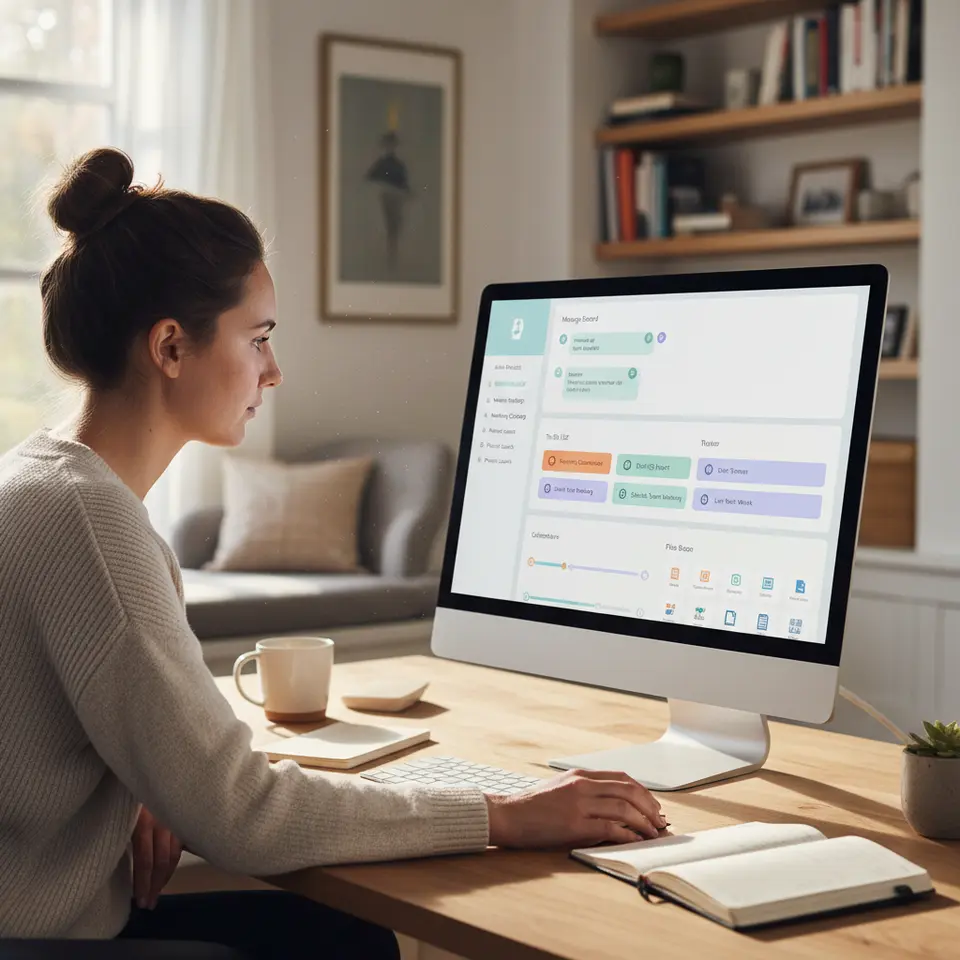
Basecamp organizes its functionality into core modules that reflect essential collaboration needs. Each module is designed to be simple yet flexible enough to handle diverse project types. Let’s examine the primary features that set Basecamp apart in today’s competitive marketplace.
To-Do Lists and Task Management
The To-Do Lists module provides a straightforward method for creating, assigning, and tracking tasks. Team leaders can break down complex initiatives into smaller steps, assign tasks to individuals, set due dates, and attach relevant files. Because each to-do list lives under the related project, it’s easy to see how every assignment contributes to the broader goal. Priority labels and due-date reminders keep deliverables top of mind, preventing overlooked tasks and last-minute rushes.
Message Boards for Structured Discussion
Unlike free-form chat apps, Basecamp’s Message Boards maintain organized threads for specific topics such as project announcements, design feedback, or client questions. Team members post updates, ask questions, and provide attachments in context, ensuring that critical information remains accessible when needed. The threaded structure helps avoid the noise of conversational chat, and comments stay linked to their original post for clarity.
Campfire Chat and Pings
For quick, real-time conversations, Basecamp offers Campfire—a group chat area ideal for impromptu brainstorming or casual check-ins. When a private message is more appropriate, Pings enable one-on-one conversations without leaving the platform. This dual approach balances informal interaction with focused, persistent discussions, reducing reliance on fragmented chat tools.
Schedules and Automatic Check-Ins
Basecamp’s Schedule feature integrates a built-in calendar where deadlines, milestones, and events are clearly displayed. This shared timeline aligns team members on upcoming deliverables. Additionally, Automatic Check-Ins let managers set recurring questions—such as “What did you accomplish this week?”—that prompt team members to share progress updates. This automated routine minimizes status-meeting overload and ensures consistent visibility into project health.
Docs, Files, and Version History
Uploading and organizing documents in Basecamp is effortless. Files and images are stored under the Docs & Files section, where version history tracks changes over time. Whether working on a design mockup, spreadsheet, or presentation, team members can collaborate without fear of overwriting critical data. Integrations with popular storage providers such as Dropbox and Google Drive further enhance flexibility.
Hill Charts for Progress Visualization
Basecamp’s Hill Charts offer a unique visual representation of project status. Instead of traditional progress bars, Hill Charts reveal whether tasks are being shaped (exploration phase) or are on the downward slope toward completion. This approach highlights uncertainty early, allowing teams to address critical unknowns before they become roadblocks.
User Experience and Interface Design
One of Basecamp’s strongest selling points is its clean, minimalist design. In today’s digital landscape, where information overload is common, Basecamp delivers an uncluttered workspace with intuitive navigation. A vertical sidebar lists active projects and teams, while the main content area dynamically displays messages, tasks, or schedules. This predictable layout ensures new users can start collaborating within minutes, without lengthy onboarding or training sessions.
Color coding, clear typography, and generous white space guide users’ eyes to key elements such as unread messages or upcoming deadlines. By emphasizing essential features and avoiding unnecessary visual flair, Basecamp prevents the confusion that often accompanies platforms packed with dozens of icons and menus. For teams that value simplicity, the streamlined interface reduces cognitive load and helps maintain focus.
Responsive design ensures Basecamp works smoothly on desktop browsers, tablets, and mobile devices. Native mobile apps for iOS and Android preserve core functionality, so team members can check statuses, post updates, or upload files while on the go. Push notifications keep everyone informed of critical developments, striking a balance between immediate alerts and avoiding notification fatigue.
Accessibility is another important consideration. Basecamp adheres to industry standards for contrast ratios, keyboard navigation, and screen reader compatibility. These measures align with guidelines outlined by leading institutes such as the National Institute of Standards and Technology (NIST). By prioritizing inclusive design, Basecamp makes collaboration possible for diverse teams, including those with visual or motor impairments.
Enhancing Team Collaboration and Communication

Effective collaboration relies on clear, persistent communication channels. Basecamp combines structured message boards with real-time chat to cover a wide range of interaction needs. By reducing email reliance, teams experience fewer lost updates and less inbox clutter. In today’s remote and hybrid environments, the centralized conversation history becomes a single source of truth, reducing confusion and repeated questions.
Long-form discussions on Message Boards give context to decisions, while Automatic Check-Ins prompt regular status reporting without scheduling time-consuming meetings. This hybrid approach respects individual work rhythms while maintaining transparency across the team. Research from Stanford University highlights that hybrid communication models—combining asynchronous and synchronous updates—can increase collaboration satisfaction by 25% in remote teams.
Campfire chat encourages spontaneous collaboration, mimicking the energy of an in-office brainstorming session. When quick clarifications are needed, Pings facilitate direct communication without distracting the entire group. Because every conversation is archived, team members can refer back months later to reconstruct decisions or revisit unresolved questions.
Basecamp also supports client collaboration. By granting external stakeholders limited access to specific projects, agencies can share updates, gather feedback, and maintain control over sensitive data. Clients appreciate the transparent process and the ability to engage directly with designers or account managers, reducing miscommunication and improving satisfaction.
Pricing, Integrations, and Security
This year (2026), Basecamp offers two straightforward plans designed to suit different organizational needs. The free tier—Basecamp Personal—supports up to three active projects, two gigs of file storage, and up to 20 users. It’s ideal for freelancers, small clubs, or side projects. For businesses requiring unlimited projects, unlimited users, and one terabyte of storage, Basecamp Business is available at a flat rate of $99 per month. Unlike per-user billing models, this predictable pricing structure allows growing teams to budget without surprise costs.
Basecamp integrates seamlessly with popular third-party services. Built-in connections to Google Workspace, Dropbox, Slack, GitHub, and Zapier enable teams to incorporate email, version control, and automated workflows. For specialized requirements, Basecamp’s robust API lets developers build custom integrations or extend functionality through partner apps.
Security is paramount in any collaboration platform. Basecamp employs industry-standard measures including TLS encryption for data in transit, AES-256 encryption at rest, and regular third-party penetration testing. The platform maintains SOC 2 Type II compliance and supports two-factor authentication (2FA) to safeguard user accounts. Hosting on reputable cloud infrastructure ensures data redundancy and uptime reliability, aligning with guidelines from NIST’s cloud security framework (https://www.nist.gov). For organizations subject to strict regulatory controls, Basecamp’s transparent security practices provide peace of mind.
Frequently Asked Questions
What is Basecamp and who is it best suited for?
Basecamp is a web-based project management and team collaboration tool designed to centralize communication, tasks, schedules, and file sharing in a single interface. It’s best suited for small to midsize businesses, remote teams, marketing agencies, and freelance professionals looking for a minimalist, all-in-one workspace.
How does Basecamp’s pricing structure work?
Basecamp offers a free Personal plan for up to three projects and 20 users with limited storage. The Business plan is a flat $99 per month for unlimited projects, users, and one terabyte of storage, allowing teams to scale without per-user fees or surprise costs.
Can I integrate Basecamp with other tools?
Yes. Basecamp integrates with popular services like Google Workspace, Dropbox, Slack, GitHub, and Zapier. It also provides an API for custom integrations to fit specialized workflows and automate processes.
How does Basecamp ensure security and data protection?
Basecamp uses TLS encryption for data in transit, AES-256 encryption at rest, SOC 2 Type II compliance, regular penetration testing, and optional two-factor authentication. Data is hosted on secure cloud infrastructure with redundancy and uptime guarantees.
Conclusion
In today’s competitive environment, choosing the right project management tool can make or break team efficiency. Basecamp stands out for its commitment to simplicity, transparency, and predictable pricing. By consolidating to-do lists, message boards, chat, schedules, and file sharing into a cohesive workspace, it reduces the friction of juggling multiple apps and minimizes information silos. The intuitive interface and automated check-ins foster accountability without burdening teams with excessive complexity.
While Basecamp may not feature built-in time tracking or advanced reporting found in some specialized platforms, many teams find that its core capabilities meet everyday requirements without overwhelming users. With secure infrastructure, robust integrations, and a flat-rate business plan, Basecamp remains an attractive choice for startups, agencies, and established companies seeking clarity in their workflows. If streamlined communication and straightforward project organization are your top priorities today, Basecamp offers a compelling, reliable solution for collaborative success this year (2026).