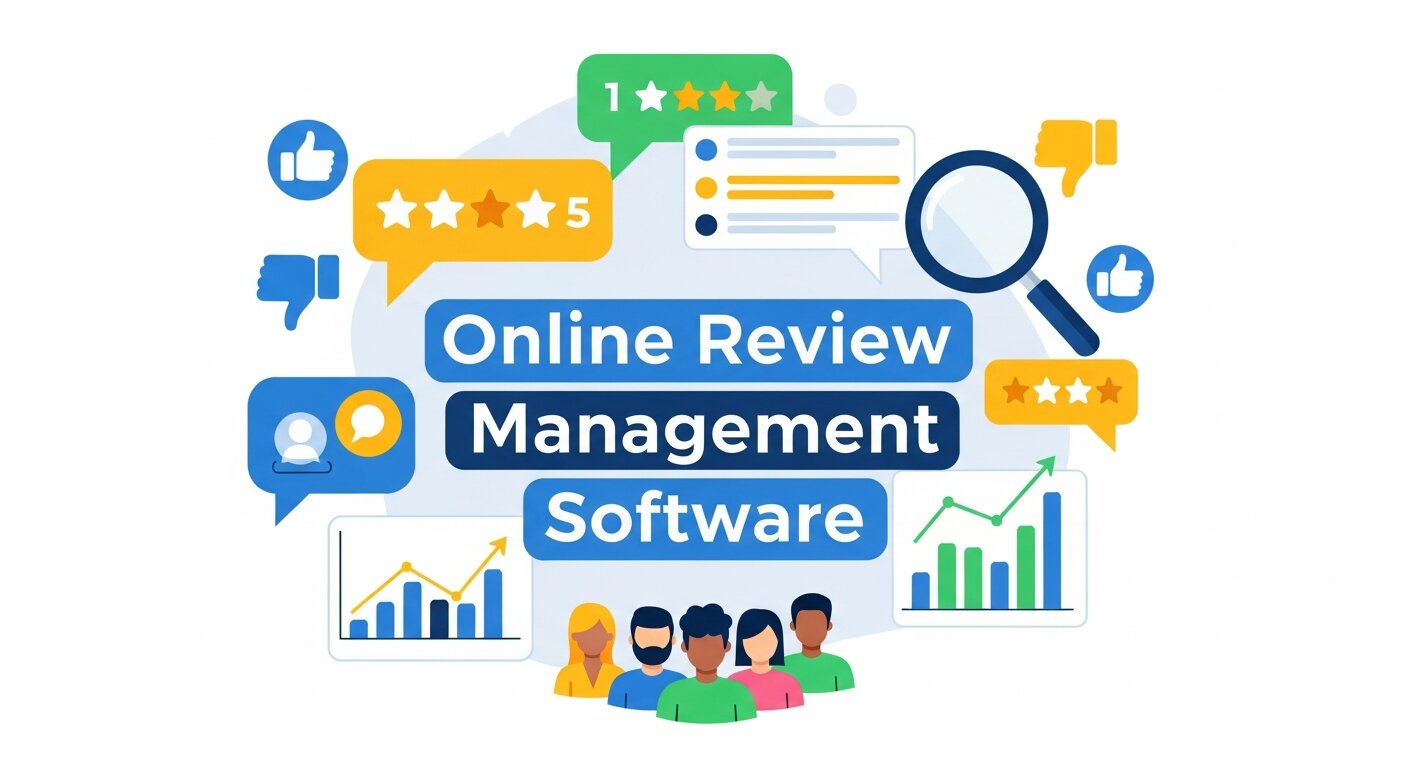
Every time a consumer searches for a product or service, they are immediately greeted by a star rating. Those small yellow stars hold immense power over consumer behavior, dictating where people spend their money and which businesses they choose to ignore. A single bad rating can drive a prospective buyer away, while a glowing recommendation can secure a loyal customer for life.
Managing this constant stream of feedback across dozens of platforms can easily overwhelm a business owner. Checking Google, Yelp, Facebook, and industry-specific directories takes hours away from actual operations. Searching for mentions of your brand manually is an inefficient use of resources and often leads to missed opportunities. Delayed responses to unhappy customers can escalate minor issues into public relations nightmares.
This is exactly why businesses are turning to online review management software. By automating the collection, monitoring, and responding processes, companies can regain control of their digital footprint. These tools allow you to engage with your audience proactively, ensuring that positive sentiments are amplified and negative ones are resolved quickly.
Understanding how to leverage these platforms is essential for long-term growth. We will explore how customer feedback directly impacts your bottom line, the core features to look for in the best review software, and the actionable strategies you can use to transform your digital reputation into a reliable revenue stream.
The Link Between Customer Trust and Revenue
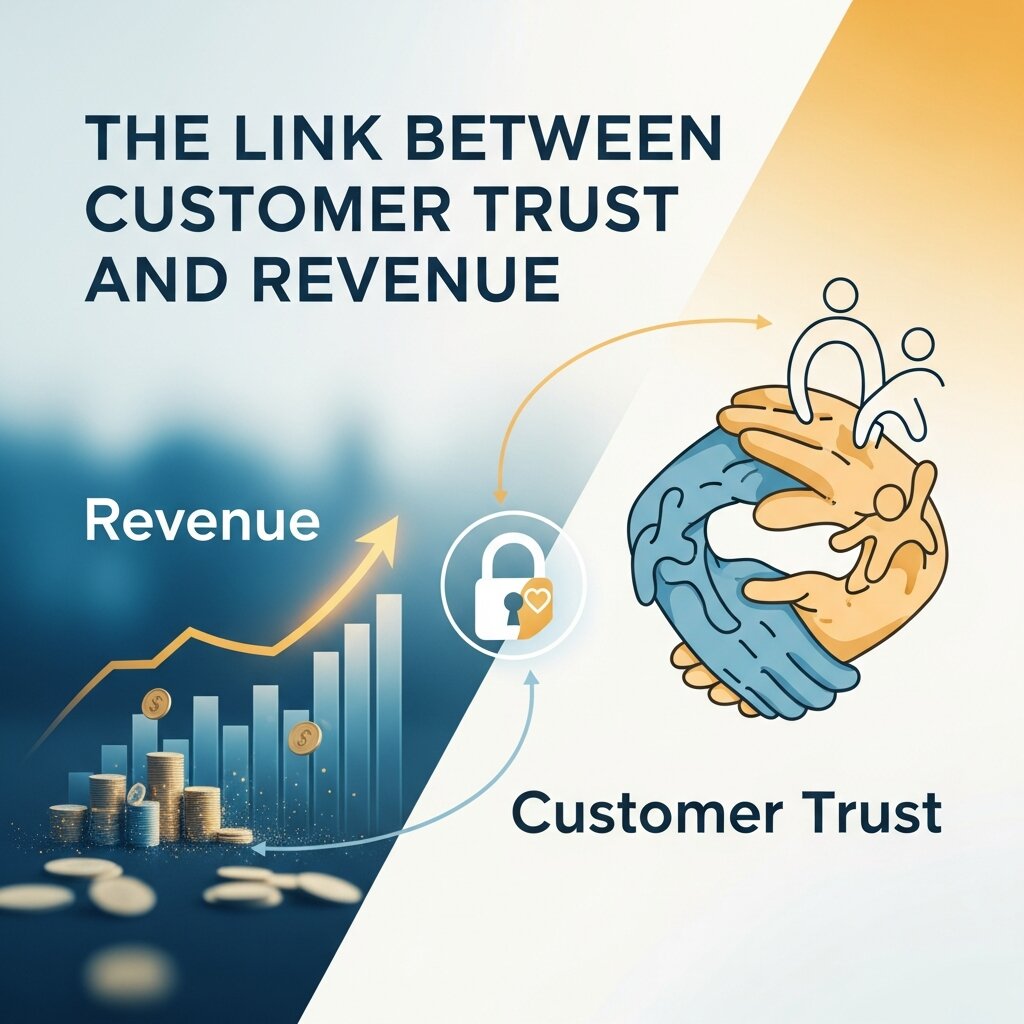 Trust is the foundation of any successful commercial transaction. Before handing over their credit card details, consumers need to feel confident that they will receive exactly what was promised.
Social Proof Drives Purchasing Decisions
People naturally look to others for guidance when making decisions. If hundreds of strangers vouch for a local plumbing service, a homeowner feels a sense of security hiring them. This psychological phenomenon, known as social proof, is heavily reliant on user-generated content. Consumers trust online reviews almost as much as personal recommendations from friends and family.
A high volume of positive feedback signals reliability. It tells the prospective buyer that your business consistently delivers on its promises. When your brand accumulates a strong portfolio of five-star ratings, the friction associated with the buying process drops significantly. Customers spend less time comparing you to competitors and more time clicking the checkout button.
The Cost of Ignoring Negative Feedback
Ignoring a bad review does not make it disappear. Unanswered complaints linger on your public profiles, warning future prospects to stay away. Consumers actively seek out negative ratings to see how a company handles adversity. If they see radio silence, they assume the business does not care about its clientele.
Addressing criticism head-on demonstrates accountability. When a frustrated customer leaves a one-star rating, a swift and empathetic public response shows that you value their experience. Resolving the issue can often convince the original poster to update their rating. More importantly, it shows thousands of silent readers that your company provides excellent customer support, which ultimately preserves trust and prevents revenue leaks.
What is Online Review Management Software?
Online review management software is a specialized tool designed to help businesses monitor, generate, and respond to customer feedback across multiple digital channels from a single dashboard. Instead of logging into five different websites to check for recent comments, a business owner can open one application and see everything instantly.
These platforms typically offer alert systems, notifying your team the moment a new rating is published. They also feature campaign tools that automatically send text messages or emails to recent customers, politely asking them to share their experience. By removing the manual labor associated with reputation tracking, this software empowers companies to maintain a pristine digital image with minimal effort.
How the Best Review Software Builds Trust
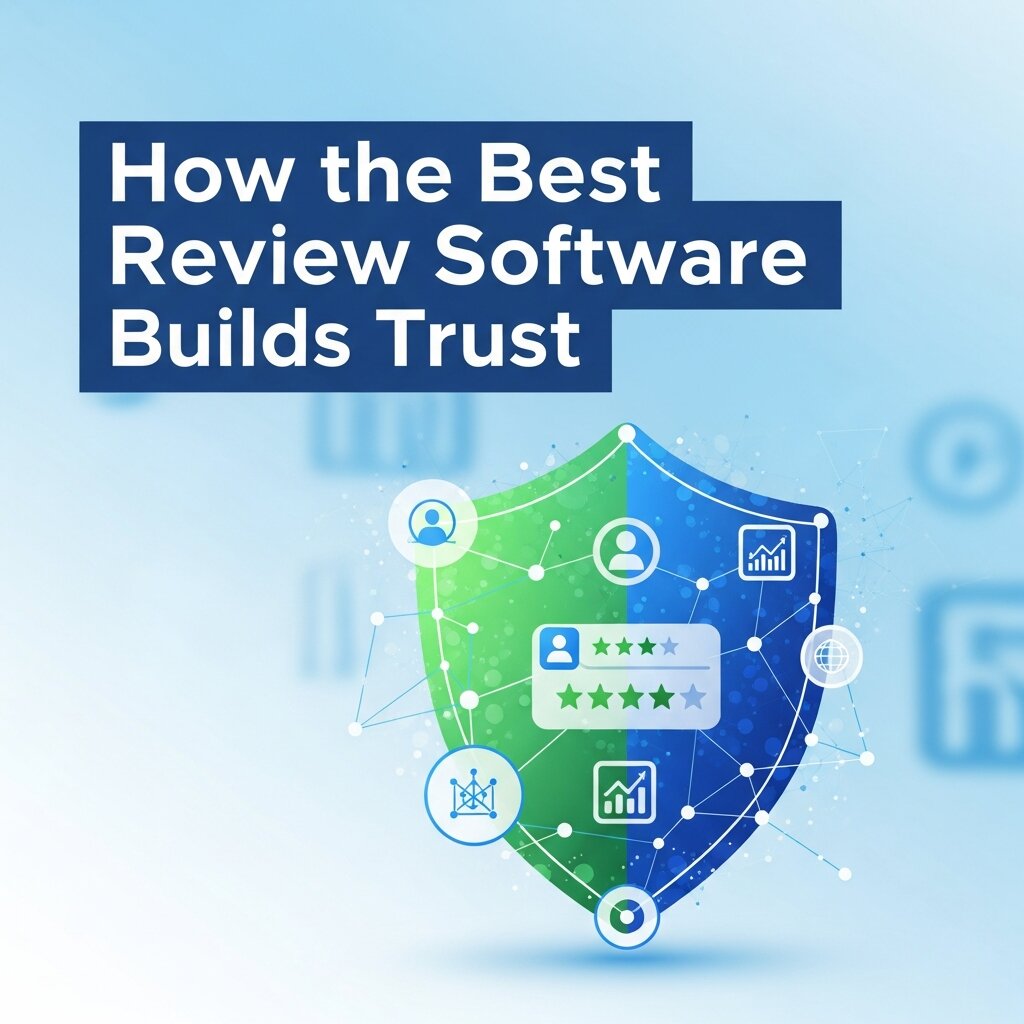 Not all tools are created equal. The most effective platforms offer specific features that actively contribute to a trustworthy brand image.
Automating the Request Process
Asking for feedback can feel awkward for staff members. Consequently, it rarely happens with consistency. Online review management software removes the human hesitation by automating the entire request process. Once a transaction is completed or a service is rendered, the system triggers a personalized email or SMS message.
Timing is everything when capturing positive sentiment. Sending the request while the customer is still excited about their purchase dramatically increases the likelihood of a response. Consistent, automated requests generate a steady stream of fresh, positive ratings. This recency is vital, as consumers typically discount feedback that is older than a few months.
Centralizing Feedback Across Platforms
Customers leave comments wherever it is most convenient for them. A restaurant might receive praise on Yelp, a complaint on TripAdvisor, and a question on Google Maps all within the same hour. Tracking these scattered conversations is incredibly difficult.
The best review software aggregates all of this data into a unified inbox. Your customer service team can read and reply to a Facebook comment and a Google rating without switching tabs. Centralization ensures that no customer feels ignored. Prompt replies make consumers feel heard and valued, reinforcing their trust in your brand.
Responding Swiftly to Customer Concerns
Speed is a critical factor in reputation recovery. If a buyer receives a defective product and posts a negative comment, they expect a resolution quickly. Online review management software provides instant notifications for low ratings.
Your team can immediately draft an apology, offer a refund, or provide a replacement. Fast interventions often defuse anger. A customer who experiences a seamless return process after a negative initial experience is highly likely to purchase from you again. Their updated, positive rating then serves as a testament to your outstanding customer service.
Driving Sales with Better Reputation Management
Building trust is a noble goal, but the ultimate objective for any commercial enterprise is to increase revenue. Managing your digital reputation effectively translates directly to higher sales figures.
Enhancing Local SEO and Visibility
Search engines prioritize user experience. Google wants to recommend the absolute best local businesses to its users. Therefore, their algorithm heavily weighs the quantity, quality, and recency of online reviews.
A company actively utilizing online review management software will naturally generate more feedback than a competitor who relies on organic, unprompted comments. This high volume of positive interactions signals to search engines that your business is popular and authoritative. Consequently, your website and local listings climb higher in the search results. Higher visibility leads to increased website traffic, more phone calls, and greater foot traffic to brick-and-mortar locations.
Showcasing Top Reviews on Your Website
Your website serves as your primary digital storefront. When a visitor lands on your homepage, you have a matter of seconds to convince them to stay. Integrating a live widget that displays your most recent five-star ratings provides immediate social proof.
Many software solutions offer seamless website integrations. Displaying genuine, verified customer experiences directly on your product pages helps eliminate buyer hesitation. When a shopper sees that dozens of other people love the exact item they are looking at, their confidence spikes, resulting in higher conversion rates and increased sales.
Gathering Actionable Business Insights
Customer feedback is a goldmine of operational data. Reading through hundreds of comments can highlight recurring trends within your business. If multiple patrons mention that the wait times at your clinic are too long, you have identified a clear operational bottleneck.
Advanced platforms use artificial intelligence and natural language processing to analyze sentiment trends. The software might highlight that the phrase “friendly staff” is used frequently in positive ratings, while “confusing checkout” appears in the negative ones. Armed with this data, management can make informed decisions to improve the customer experience. Fixing these underlying issues leads to higher customer retention and increased lifetime value.
The Role of Automation in Review Collection
 Automation is one of the most powerful advantages of modern online review management software. Instead of relying on staff to manually request feedback, businesses can automatically trigger review requests after a purchase or service completion. This ensures a consistent flow of fresh customer feedback without adding extra workload to employees. Automated systems can send personalized emails or SMS messages at the right time when customer satisfaction is highest, increasing the chances of receiving positive ratings. Over time, this steady stream of reviews helps build a stronger online reputation and improves visibility across search engines and platforms. It also reduces human error and ensures no customer interaction goes unrecorded or unacknowledged.
The Impact of Online Reviews on Brand Reputation
Online reviews play a critical role in shaping how customers perceive a brand. A business with consistently high ratings is seen as trustworthy, reliable, and professional, while even a few negative reviews can damage its credibility. Potential customers often read multiple reviews before making a decision, using them as a form of social validation. This means every customer experience contributes directly to brand reputation. Online review management software helps businesses actively monitor and influence this perception by encouraging positive feedback and addressing negative comments quickly. By maintaining a strong review profile, companies can build long-term trust, attract more customers, and establish themselves as leaders in their industry.
AI and Analytics in Modern Review Management
Artificial intelligence and analytics are transforming how businesses handle customer feedback. Modern review management software can analyze large volumes of reviews to identify patterns, trends, and customer sentiment. Instead of reading each review manually, businesses can quickly understand what customers love and what needs improvement. AI tools can detect keywords such as “slow service” or “excellent support” and generate actionable insights. This helps companies make data-driven decisions to improve operations and customer experience. Predictive analytics can even forecast potential issues before they become serious problems. By using AI-powered insights, businesses can stay ahead of competitors and continuously refine their service quality.
Building Customer Loyalty Through Engagement
Engaging with customers through reviews is a key strategy for building long-term loyalty. When businesses respond to both positive and negative feedback, customers feel valued and heard. This interaction strengthens the emotional connection between the brand and its audience. Online review management software makes this process easier by centralizing all reviews into one platform, allowing businesses to respond quickly and professionally. Personalized responses show genuine care and commitment to customer satisfaction. Over time, this consistent engagement turns one-time buyers into repeat customers and brand advocates. Strong engagement not only improves reputation but also increases customer retention and lifetime value.
Frequently Asked Questions
What is online review management software?
Online review management software is a tool that helps businesses monitor, collect, and respond to customer reviews across multiple platforms from one dashboard. It automates feedback requests, sends alerts for new reviews, and simplifies reputation management efficiently.
Why is review management important for businesses?
Review management directly impacts customer trust and purchasing decisions. Positive reviews increase credibility and conversions, while negative ones can harm your reputation. Actively managing feedback shows customers you care, improving brand perception and long-term customer loyalty significantly.
Can online review management software improve SEO?
Yes, it plays a major role in local SEO. Consistent positive reviews signal trust and relevance to search engines, helping your business rank higher. More visibility leads to increased traffic, better engagement, and ultimately more potential customers.
How does the software help handle negative reviews?
The software sends instant alerts when negative reviews are posted, allowing quick responses. Businesses can address concerns, offer solutions, and show accountability publicly. This not only resolves issues but also demonstrates excellent customer service to potential clients.
Is online review management software suitable for small businesses?
Yes, it is highly beneficial for small businesses. It helps them compete with larger brands by building strong online reputations. Automated review requests, centralized management, and improved visibility make it easier to attract and retain local customers effectively.
What features should I look for in review management software?
Key features include automated review requests, real-time alerts, multi-platform integration, analytics dashboards, and response management tools. These capabilities ensure efficient monitoring, faster engagement, and better insights to improve customer experience and business performance.
Take Control of Your Brand’s Digital Reputation
Leaving your digital reputation to chance is a massive operational risk. Unmanaged profiles collect negative comments, deter prospective buyers, and slowly erode your market share. Proactive management requires the right tools to be effective.
Implementing online review management software fundamentally changes how you interact with your audience. It turns passive observers into active brand advocates by consistently prompting them to share their positive experiences. It protects your revenue by instantly alerting you to unhappy customers, giving you the opportunity to make things right before the damage spreads.