Every interaction a customer has with your brand leaves an impression. Gathering those impressions and turning them into actionable data is a massive challenge for modern businesses. When you try to collect feedback manually, you often end up with scattered information, missed opportunities, and frustrated teams. Relying on outdated methods simply leaves too much valuable data on the table.
This is where investing in the right tools changes everything. By automating the feedback collection process, companies can capture authentic customer sentiment exactly when it matters most. You get clear, organized insights that show you exactly what your audience loves and where your operations need improvement. It takes the guesswork out of product development and customer service.
Choosing the right platform, however, requires understanding your specific needs. The market is flooded with platforms offering different features, from basic star-rating widgets to complex sentiment analysis engines. Finding the perfect fit means evaluating how your team works, where your customers spend their time, and what kind of data actually drives your business decisions.
In this guide, we will explore the landscape of feedback tools to help you identify the ideal solution for your organization. We will look at top-rated platforms, specialized industry tools, and how different departments leverage review systems to improve their workflows and boost customer satisfaction.
Selecting the Best Review Software for Your Needs
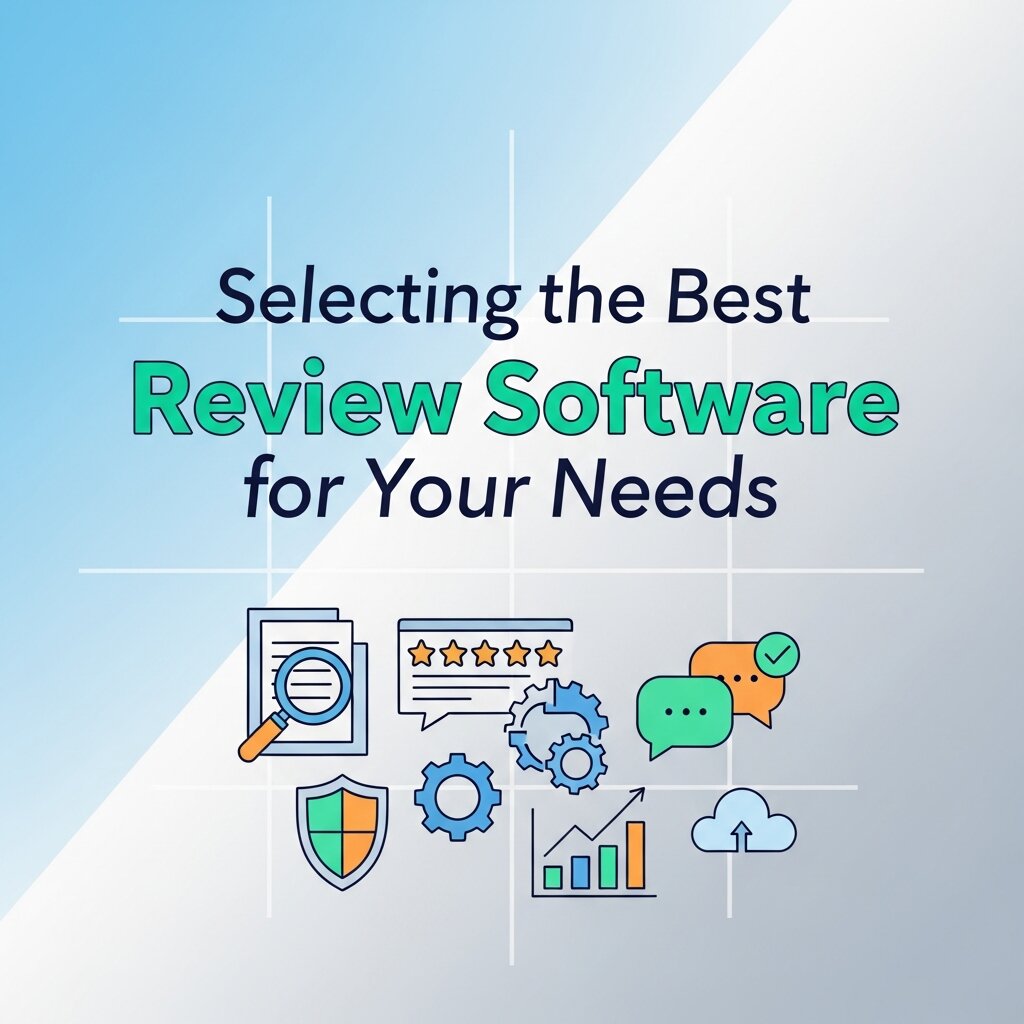 Finding the best review software starts with mapping out your primary goals. If you want to increase your overall rating on public sites, your ideal platform will look very different from an internal tool meant to gather deep product feedback. The strongest platforms offer multichannel collection methods, allowing you to send SMS requests, email surveys, and in-app prompts.
Look for solutions that integrate seamlessly with your existing tech stack. Your CRM, helpdesk, and marketing tools should communicate effortlessly with your feedback platform. When data flows freely between systems, your support team can immediately address negative experiences, while your marketing team can highlight positive testimonials in upcoming campaigns.
Elevating Brands with Online Review Management Software
Managing a brand’s reputation across the internet is a full-time job. Online review management software acts as a central hub for monitoring mentions and ratings across dozens of directories and social platforms. Instead of logging into Yelp, Facebook, and TripAdvisor individually, your team can view and respond to everything from a single dashboard.
These tools often feature sentiment analysis, which scans text to determine the overall mood of the customer base. By identifying recurring keywords in negative comments, you can spot systemic issues before they escalate. It provides a massive advantage for brands looking to maintain a pristine public image and build trust with potential buyers.
Winning Local Search with Google Review Management Software
For local businesses, Google is the ultimate battleground. Google review management software focuses heavily on optimizing your Google Business Profile. These specialized tools automate the process of asking satisfied customers to leave a star rating and a comment directly on Google Maps and search results.
Higher ratings and higher review volumes directly influence local search rankings. When you consistently generate fresh, positive feedback on Google, your business appears higher in the local pack. This visibility drives foot traffic, increases phone calls, and fundamentally grows your local market share.
Gathering Direct Insights via Customer Review Software
While public reputation is crucial, direct feedback often provides the most actionable insights. Customer review software focuses on post-purchase surveys, Net Promoter Score (NPS) tracking, and detailed feedback forms. These platforms help you understand the “why” behind customer behavior.
By triggering surveys immediately after a purchase or a customer support interaction, you capture the user’s experience while it is fresh in their mind. You can use this data to refine your product offerings, streamline your checkout process, or identify areas where your support team needs additional training.
Boosting Sales with Amazon Review Software
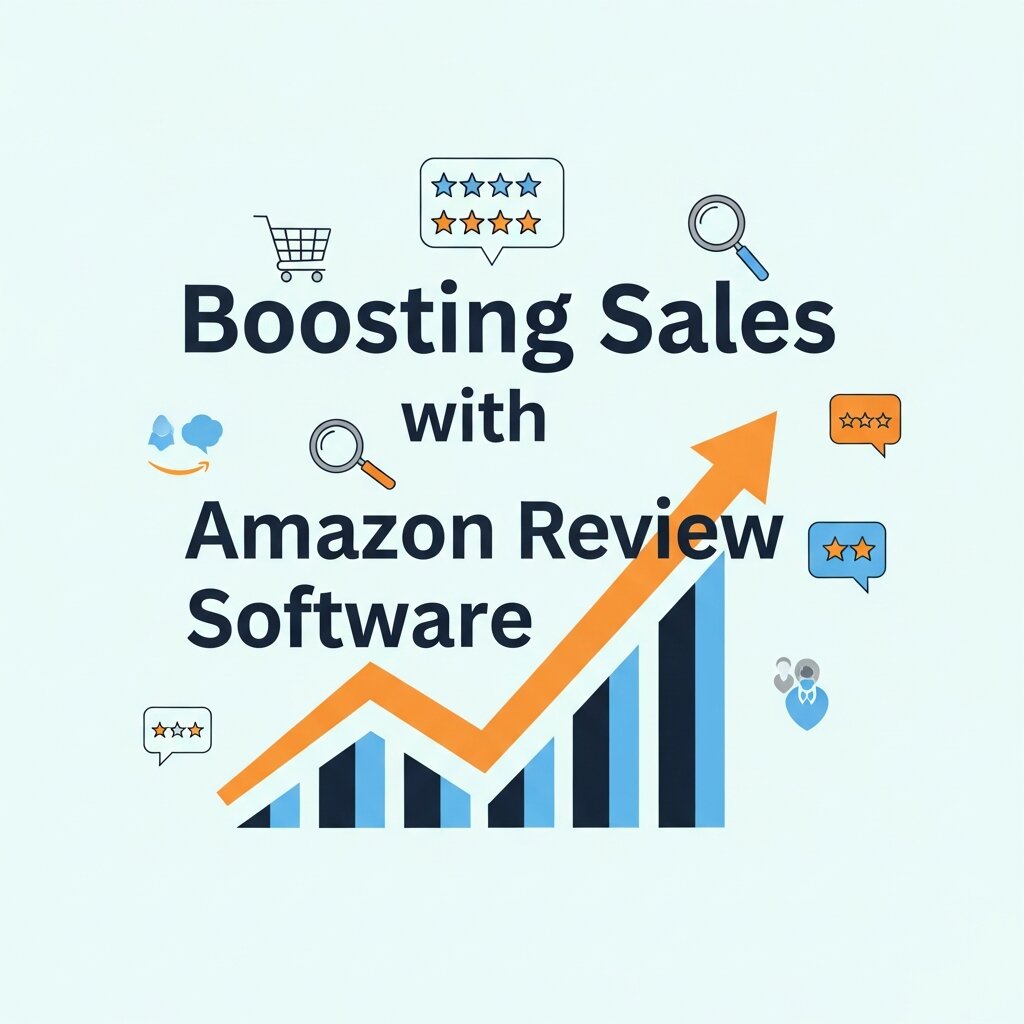 Selling physical products on massive marketplaces requires specialized tactics. Amazon review software is built specifically for eCommerce sellers navigating the strict terms of service on the platform. These tools automate the “Request a Review” button feature, ensuring compliance while maximizing the number of ratings you receive.
Because Amazon’s algorithm heavily favors products with high review velocity, utilizing these tools is essential for staying competitive. They also track negative feedback, allowing sellers to address product defects quickly or update product listings to clarify confusing features that lead to poor ratings.
Enhancing Quality with Code Review Software
Customer feedback is not the only type of review process a business must manage. Engineering teams rely heavily on code review software to ensure software quality and security. These tools allow developers to collaborate on codebases, spot bugs, and suggest improvements before new features are released to the public.
By catching errors early in the development cycle, companies save countless hours and resources. It also ensures that the final product delivered to the customer is stable and secure, which ultimately leads to better customer reviews down the line.
Fostering Creativity through Design Review Software
Similar to software development, creative teams need structured feedback environments. Design review software provides a centralized space where marketers, designers, and clients can annotate visual assets. Instead of messy email chains, stakeholders can leave specific comments directly on images, videos, or website mockups.
This streamlines the approval process and reduces miscommunication. When your creative assets are produced efficiently and accurately, your marketing campaigns launch on time and resonate more effectively with your target audience.
Empowering Teams with Performance Review Software
Internal feedback is just as critical as external customer feedback. Performance review software helps human resources departments and managers track employee progress, set goals, and conduct regular evaluations.
When employees receive clear, constructive feedback, they are more engaged and motivated. A strong internal team directly translates to better customer service. Happy, well-managed employees are the frontline workers who generate the positive customer experiences that lead to glowing online reviews.
Organizing Operations with Document Review Software
Legal and administrative departments process massive amounts of text. Document review software uses artificial intelligence to scan contracts, legal briefs, and compliance documents for specific clauses or errors.
These tools drastically reduce the time spent on manual reading and minimize the risk of costly legal mistakes. By ensuring all paperwork is accurate and compliant, businesses protect themselves from liability and maintain smooth internal operations.
Analyzing B2B Tools: Contract Management Software Reviews
When purchasing software for your own company, doing your research is essential. Reading contract management software reviews helps procurement teams understand how different platforms handle the lifecycle of legal agreements.
Peer reviews reveal how user-friendly a platform actually is, how responsive their customer support team acts during a crisis, and whether the tool truly integrates with standard enterprise software. Relying on authentic user feedback prevents costly investment mistakes.
Evaluating Campaigns via Email Marketing Software Reviews
 Marketing teams also rely heavily on peer feedback when building their tech stacks. Exploring email marketing software reviews shows marketers which platforms offer the best deliverability rates, the most intuitive drag-and-drop builders, and the most robust automation features.
Choosing a poorly rated platform can result in emails landing in spam folders or campaigns failing to trigger. By reading about other marketers’ experiences, you can select a reliable tool that successfully delivers your message to your audience.
Project Planning: Microsoft Project Software Review
Large-scale project management requires heavy-duty tools. Looking at a detailed Microsoft Project software review helps operations managers decide if the platform’s robust feature set justifies its learning curve.
Feedback from other project managers highlights the software’s strengths in resource allocation and timeline tracking, as well as its potential drawbacks for smaller, more agile teams. This kind of research ensures that your team adopts a tool that actually improves productivity.
Streamlining Real Estate: Property Management Software Reviews
Real estate professionals juggle tenant communication, maintenance requests, and accounting. By checking property management software reviews, landlords and property managers can find platforms that automate rent collection and streamline maintenance tracking.
The right software improves the tenant experience significantly. When tenants are happy with how easily they can pay rent or report issues, they are more likely to renew their leases and leave positive reviews for the property management company.
Integrating Review Software with CRM Systems
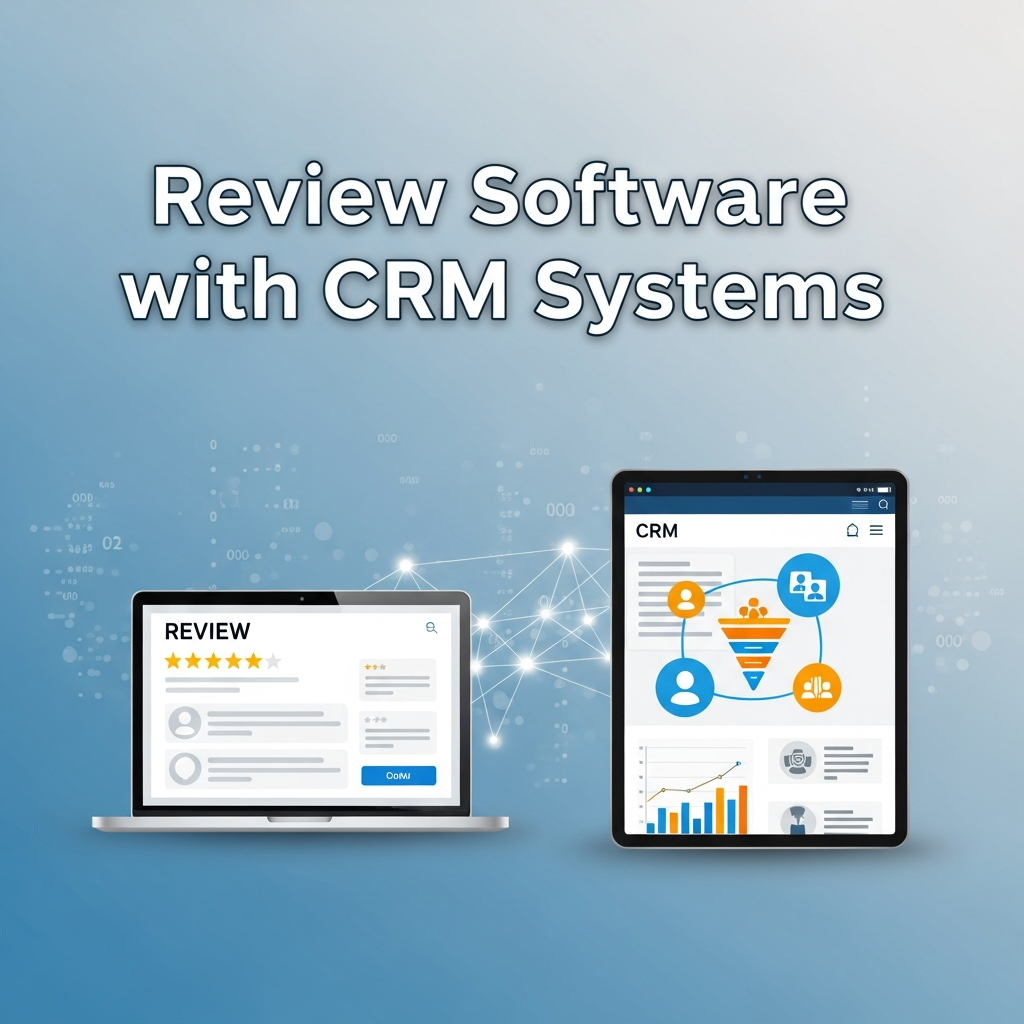 One of the most powerful ways to maximize the value of review software is through seamless integration with Customer Relationship Management (CRM) systems. When feedback data flows directly into your CRM, it becomes easier to track customer journeys, identify recurring issues, and personalize follow-ups. Sales and support teams can instantly view customer sentiment history before interacting with clients, leading to more informed conversations. This integration also helps businesses segment users based on satisfaction levels, allowing targeted marketing campaigns and retention strategies. Instead of managing feedback in isolation, companies gain a unified view of customer behavior across all touchpoints, improving decision-making, efficiency, and long-term customer relationships.
AI-Powered Analytics in Review Software
Modern review software increasingly relies on artificial intelligence to process large volumes of customer feedback efficiently. AI-powered analytics can scan thousands of reviews in seconds, identifying patterns, emotions, and emerging trends that would be impossible to detect manually. These systems categorize feedback into themes such as product quality, pricing, or customer service, helping businesses prioritize improvements. Predictive analytics can even forecast potential churn risks based on negative sentiment patterns. By turning raw feedback into structured insights, AI enables faster and more accurate decision-making. This allows companies to stay ahead of customer expectations, continuously refine their offerings, and maintain a competitive advantage in fast-moving markets.
Improving Customer Retention Through Feedback Loops
Customer retention depends heavily on how effectively businesses respond to feedback. Review software enables continuous feedback loops where customer opinions are not only collected but actively used to improve products and services. When customers see their feedback acknowledged and implemented, trust and loyalty increase significantly. Automated follow-ups, response tracking, and satisfaction surveys ensure that no concern goes unnoticed. Over time, this creates a cycle of improvement where businesses evolve based on real user needs. Strong feedback loops also reduce churn rates by addressing problems before they escalate. Ultimately, companies that prioritize listening and responding to their customers build stronger, longer-lasting relationships.
Frequently Asked Questions (FAQ)
1. What is review software?
Review software is a digital tool that helps businesses collect, manage, and analyze customer feedback and ratings. It centralizes reviews from multiple channels and turns them into actionable insights for improving products and services.
2. Why do businesses need review software?
Businesses need review software to understand customer sentiment, improve service quality, and build trust. It helps automate feedback collection and reduces the risk of missing important customer opinions.
3. What features should I look for in the best review software?
Key features include multi-channel feedback collection (email, SMS, in-app), integration with CRM systems, sentiment analysis, automation tools, reporting dashboards, and response management capabilities.
4. How does review software improve customer satisfaction?
It allows businesses to quickly identify issues, respond to negative feedback, and improve weak areas in their products or services. Faster response times and better insights lead to higher customer satisfaction.
5. Can review software help improve online reputation?
Yes. It helps businesses generate more positive reviews, monitor brand mentions, and respond to customer feedback across platforms, which significantly improves online reputation.
6. Is review software useful for small businesses?
Absolutely. Small businesses can use review software to build trust, collect customer feedback efficiently, and compete with larger brands by improving their online visibility and ratings.
7. What is online review management software?
It is a type of review software that allows businesses to monitor and manage customer reviews across multiple platforms like Google, Facebook, and Yelp from a single dashboard.
8. How does Google review software help local businesses?
It helps local businesses collect more Google reviews, improve search rankings, and attract more customers by increasing visibility in local search results.
9. What is sentiment analysis in review software?
Sentiment analysis uses AI to analyze customer feedback and determine whether it is positive, negative, or neutral, helping businesses understand overall customer satisfaction.
10. Can review software integrate with other tools?
Yes, most modern review platforms integrate with CRM systems, marketing tools, helpdesk software, and analytics platforms to create a seamless workflow.
Take the Next Step in Your Feedback Strategy
Collecting and managing feedback—whether from customers, employees, or peers—is the foundation of sustainable business growth. The tools you choose will dictate how efficiently you can gather this data and how effectively you can implement changes based on what you learn. Stop relying on fragmented data and start building a comprehensive system that captures every valuable insight. Evaluate your current processes, identify your biggest blind spots, and start testing platforms that align with your core business objectives today.