Software development is rarely a solo endeavor. Behind every successful application, there is a team of developers writing, testing, and refining thousands of lines of code. But as projects grow in size and complexity, keeping track of every change becomes a monumental challenge. Bugs slip through the cracks. Coding standards drift. Developers end up working in isolated bubbles, leading to duplicated efforts and fragmented software architecture.
To solve these pain points, engineering teams rely on a structured process of peer feedback. Historically, this meant gathering around a single monitor or sending zipped files back and forth over email. Those days are long gone. Modern development teams require sophisticated tools to manage this feedback loop efficiently.
This is where code review software comes into play. These dedicated platforms act as a central hub for examining code, discussing changes, and approving updates before they are merged into the main project. By integrating directly into your development workflow, these tools remove the friction from peer reviews.
If your team is struggling with frequent bugs, delayed releases, or communication breakdowns, adopting the right tools can make a massive difference. In this post, we will explore exactly how code review software enhances team collaboration, elevates overall code quality, and transforms the way your engineering department operates.
What Exactly is Code Review Software?
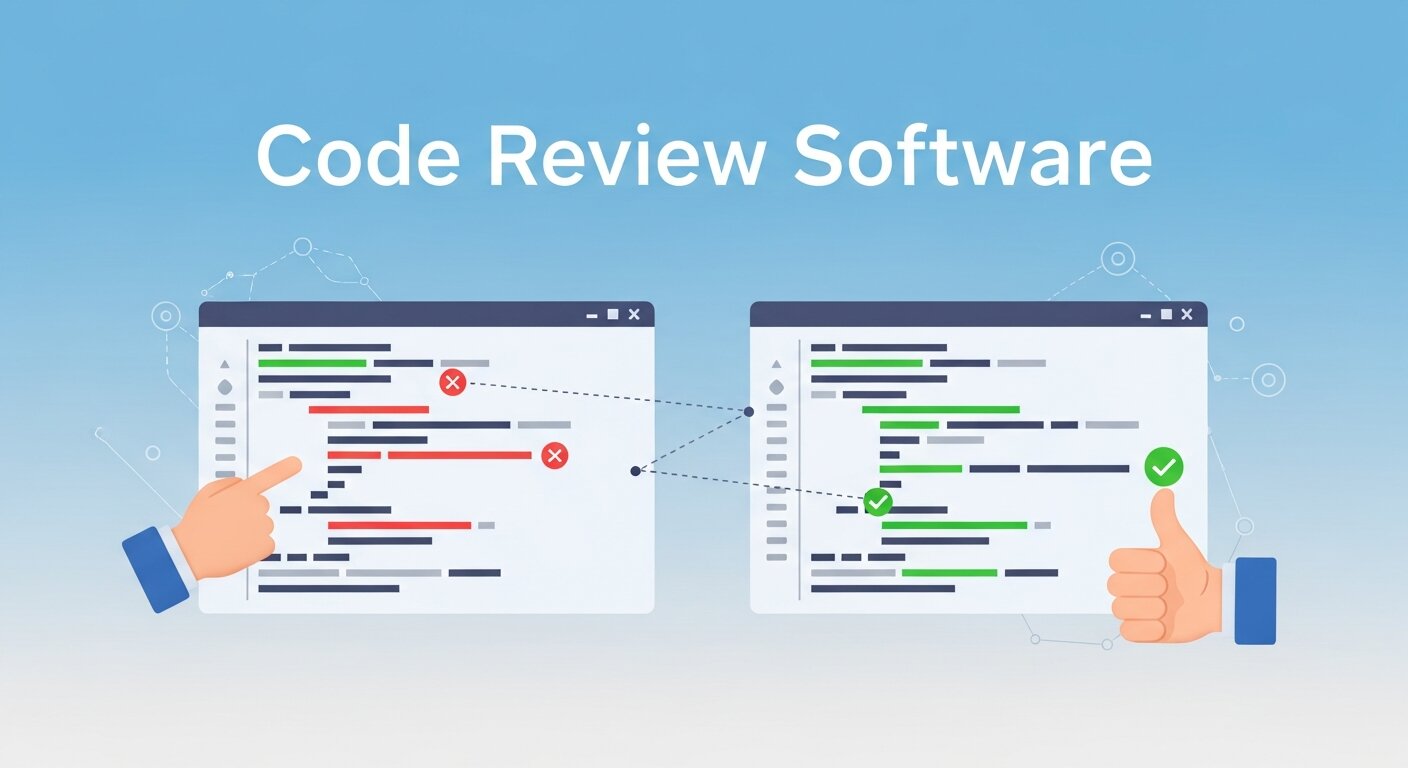
Code review software provides a dedicated environment for developers to inspect each other’s work. Instead of manually tracking changes across different file versions, these platforms highlight exactly what was added, modified, or deleted. Reviewers can see the context of the changes, leave comments on specific lines of code, and approve or reject pull requests with a single click.
The Shift from Manual to Automated Processes
Before these tools existed, reviewing code was an incredibly tedious process. Developers had to manually compare files, which left plenty of room for human error. Now, the platform handles the heavy lifting of version control and diff generation.
Furthermore, the best review software integrates directly with automated testing and continuous integration (CI) pipelines. When a developer submits new code, the software can automatically run tests to check for syntax errors or failing functions before a human ever looks at it. This saves countless hours and allows human reviewers to focus on logic, architecture, and overall design rather than hunting for missing commas.
How Code Review Software Supercharges Collaboration
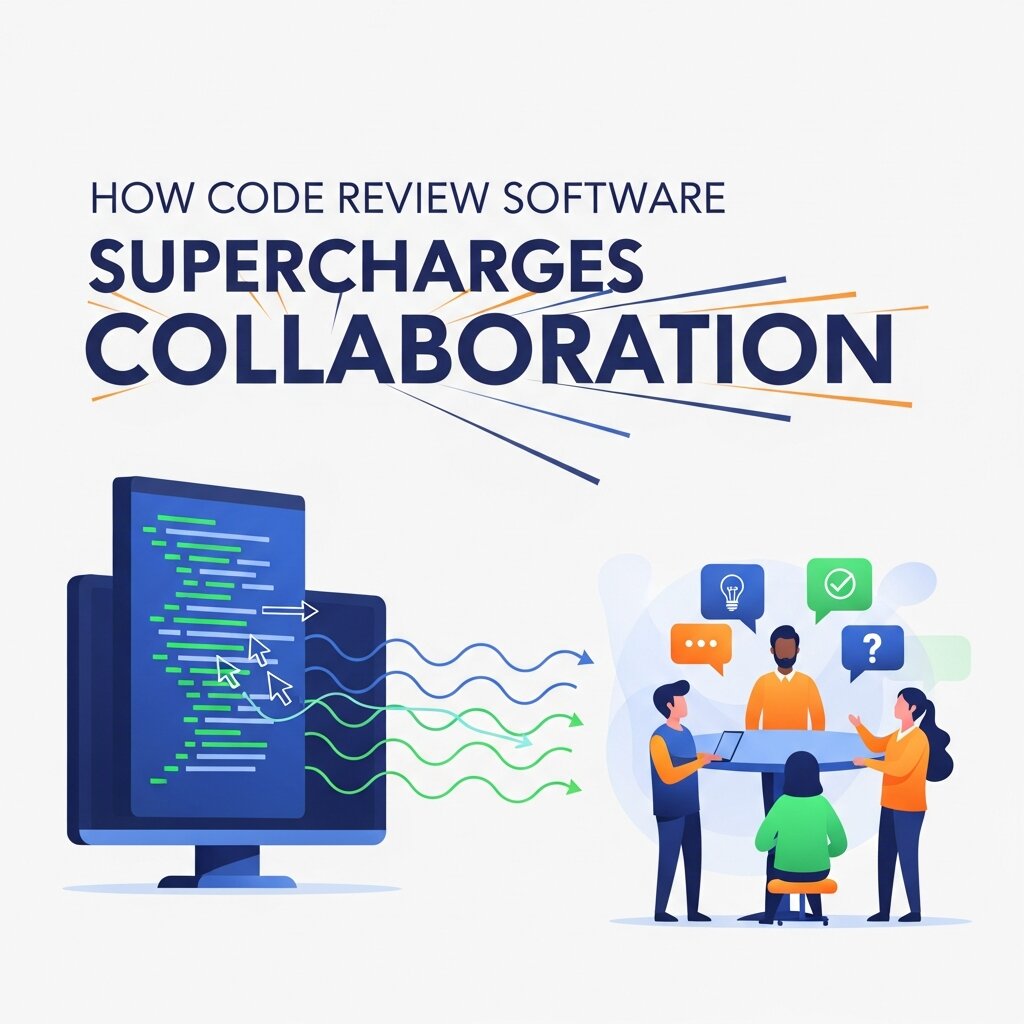 Building software is fundamentally a team sport. Even the most brilliant programmers cannot build complex, scalable enterprise applications entirely on their own. Code review software acts as the ultimate collaboration tool for engineering teams.
Breaking Down Development Silos
It is easy for developers to get tunnel vision. When someone spends weeks working on a specific feature, they often lose sight of how their work impacts the rest of the application. Code review software forces developers to step out of their silos.
When a pull request is created, other team members are invited to review the changes. This exposes developers to different parts of the codebase they might not interact with regularly. A frontend developer might review a backend API change, gaining a better understanding of how data flows through the application. This cross-pollination of knowledge builds a more cohesive and adaptable engineering team.
Asynchronous Feedback Loops
Coordinating schedules for a live, synchronous code review meeting is nearly impossible, especially for remote or distributed teams spanning multiple time zones. Code review software enables asynchronous collaboration.
A developer in New York can submit code at the end of their workday. A reviewer in London can wake up, review the code, leave detailed inline comments, and suggest modifications. By the time the New York developer logs back in, they have a clear list of actionable feedback. This asynchronous loop keeps projects moving forward without requiring everyone to be online at the exact same moment.
Mentorship and Knowledge Sharing
Junior developers often struggle to learn the specific coding conventions and architectural patterns of a new company. Code review software provides an organic, continuous platform for mentorship.
Senior engineers can leave constructive feedback directly on a junior developer’s code, explaining not just what needs to be changed, but why. Over time, these daily interactions help junior team members absorb best practices and level up their skills rapidly. Similarly, junior developers can review senior engineers’ code to learn advanced techniques and unfamiliar design patterns.
Elevating Code Quality to New Heights
Collaboration is fantastic, but the ultimate goal of any development team is to ship high-quality, reliable software. Code review software is arguably the most effective quality assurance mechanism available to modern engineering teams.
Catching Bugs Before They Reach Production
The cost of fixing a bug increases exponentially the further it travels down the development pipeline. A bug caught during a code review takes minutes to fix. That same bug, if it reaches production and affects end-users, can cost a company thousands of dollars in lost revenue, emergency support tickets, and brand damage.
By requiring at least one fresh pair of eyes on every code change, teams dramatically reduce the number of defects that make it into the main branch. Reviewers can spot edge cases the original author missed, identify potential performance bottlenecks, and point out logical errors before they cause real-world problems.
Enforcing Coding Standards Consistently
Every engineering team has a set of coding standards. These rules dictate everything from variable naming conventions to file structure and error handling. However, enforcing these standards manually is exhausting and prone to inconsistencies.
Code review platforms help enforce these rules uniformly. Reviewers can point out when a piece of code deviates from the agreed-upon style guide. Additionally, many platforms allow teams to integrate automated linting tools that flag formatting issues instantly. This ensures the codebase remains clean, readable, and maintainable, regardless of how many different developers contribute to it over the years.
Enhancing Security and Compliance
Security vulnerabilities are a massive threat to modern software companies. A single exposed API key or poorly sanitized database input can lead to a catastrophic data breach. Code review software adds a vital layer of security to the development lifecycle.
Security-minded team members can scrutinize code for common vulnerabilities like SQL injection, cross-site scripting (XSS), and improper authentication checks. For companies operating in highly regulated industries like healthcare or finance, maintaining a documented history of code reviews is often a strict compliance requirement. The software automatically logs who wrote the code, who reviewed it, and when it was approved, creating a perfect audit trail.
Key Features of the Best Review Software
Not all platforms are created equal. If you are evaluating tools for your organization, you need to know what features separate a basic text comparison tool from an enterprise-grade solution.
Automated Testing Integrations
The best review software seamlessly connects with tools like Jenkins, Travis CI, or GitHub Actions. This allows the platform to display the results of automated test suites directly inside the pull request. If the code breaks an existing test, the reviewer knows immediately, preventing them from wasting time reviewing fundamentally flawed code.
Inline Commenting and Thread Resolution
Context is everything when discussing code. Top-tier platforms allow reviewers to highlight specific lines of code and leave comments attached directly to that snippet. Authors can reply to these comments, creating a threaded conversation. Once the issue is addressed, the thread can be marked as resolved. This keeps the review organized and ensures no feedback is accidentally ignored.
Analytics and Reporting
Engineering managers need visibility into team performance and workflow bottlenecks. High-quality code review tools offer comprehensive analytics dashboards. These reports can track metrics like average review turnaround time, the number of comments per pull request, and which developers are carrying the heaviest review loads. Managers can use this data to balance workloads and identify areas where the team might need additional training.
Scaling Code Review Practices in Large Engineering Teams
 As engineering teams grow, maintaining consistent code review quality becomes more challenging. What works for a small startup often breaks down in large, distributed organizations where dozens of pull requests are submitted daily. Without structure, reviews become slow, inconsistent, or even ignored entirely. Modern code review software helps solve this by introducing scalable workflows, automated assignment rules, and review policies that ensure every change gets the right level of attention. Features like mandatory approvals, team-based ownership, and review load balancing prevent bottlenecks and keep development cycles moving smoothly even in high-volume environments.
Integrating Code Review into DevOps Workflows
Code review is no longer a separate step in development—it is now a core part of DevOps pipelines. When integrated properly, code review software connects directly with CI/CD systems, automated testing tools, and deployment pipelines. This means every code change is validated through tests before it reaches human reviewers, reducing wasted effort and improving efficiency. Developers can see build results, test failures, and security alerts directly inside pull requests. This tight integration ensures that only high-quality, production-ready code moves forward, enabling faster releases without compromising stability or reliability.
Best Practices for Effective Code Review Culture
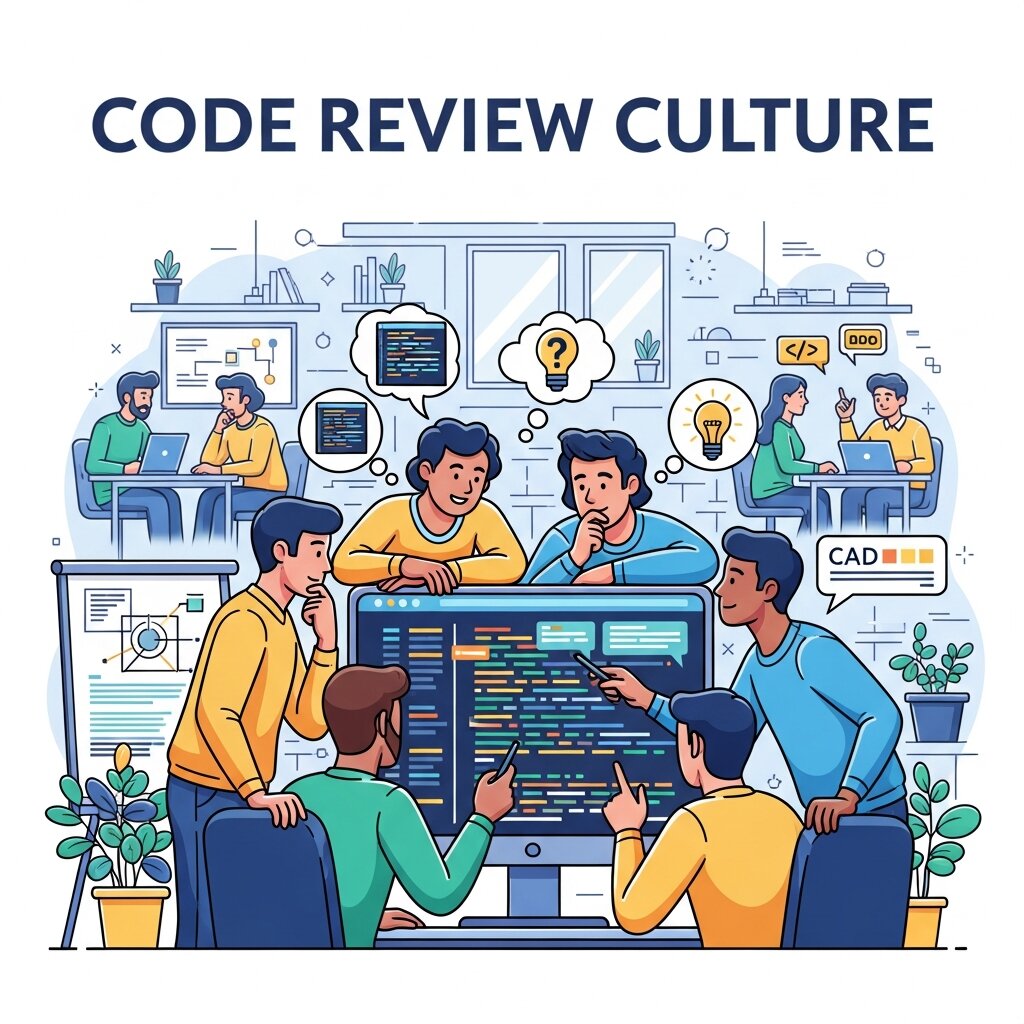 Even the most advanced code review software is ineffective without the right team culture. Successful engineering teams focus on constructive feedback rather than criticism. Reviews should be seen as collaborative learning opportunities, not gatekeeping processes. Developers should aim to review code frequently, keep feedback clear and actionable, and respond promptly to comments. It is also important to keep pull requests small and focused, as smaller changes are easier to review and less likely to introduce hidden bugs. Over time, these habits build a strong engineering culture centered around quality, accountability, and continuous improvement.
Frequently Asked Questions About Code Review Software
1. What is code review software used for?
Code review software is used to help development teams examine, discuss, and approve code changes before they are merged into a project. It highlights modifications, allows inline comments, and ensures better collaboration and higher code quality.
2. Why is code review important in software development?
Code review is important because it helps catch bugs early, improves code readability, enforces coding standards, and ensures that multiple developers understand and validate changes before production deployment.
3. Does code review software improve code quality?
Yes. It significantly improves code quality by enabling peer feedback, identifying logical errors, detecting security issues, and ensuring consistent coding practices across the entire project.
4. Which platforms offer code review features?
Popular platforms include GitHub, GitLab, Bitbucket, and enterprise tools like Gerrit and SmartBear Collaborator. Many of these tools integrate directly with version control systems like Git.
5. Can code review software replace manual review?
No. While the software automates tracking changes and highlighting differences, human reviewers are still essential for evaluating logic, architecture, and overall design decisions.
6. Is code review software suitable for small teams?
Yes, it is beneficial for teams of all sizes. Small teams can use it to maintain clean code, avoid bugs, and build good development habits early in their workflow.
7. How does code review software improve teamwork?
It enhances teamwork by enabling asynchronous feedback, encouraging collaboration across different parts of the codebase, and supporting knowledge sharing between junior and senior developers.
8. What is a pull request in code review software?
A pull request is a request made by a developer to merge their code changes into the main project. It serves as the central point where reviewers examine and approve or request changes.
9. Is code review software integrated with CI/CD tools?
Yes, most modern code review platforms integrate with CI/CD tools to automatically run tests, check code quality, and report results directly inside the review process.
10. How long does a typical code review take?
The duration varies depending on the size and complexity of the code change. Small updates may take minutes, while larger feature reviews can take several hours or even days.
Empower Your Development Team Today
Shipping flawless software is an ongoing pursuit, but you do not have to rely on guesswork and fragmented communication to get there. Implementing a robust peer review process fundamentally changes how an engineering department operates. It transforms a group of isolated programmers into a cohesive, highly communicative unit.
By investing in code review software, you are giving your developers the infrastructure they need to catch critical bugs early, share deep technical knowledge, and maintain a pristine codebase. The resulting improvements in both collaboration and code quality will ultimately lead to faster release cycles, happier developers, and a vastly superior product for your end users.