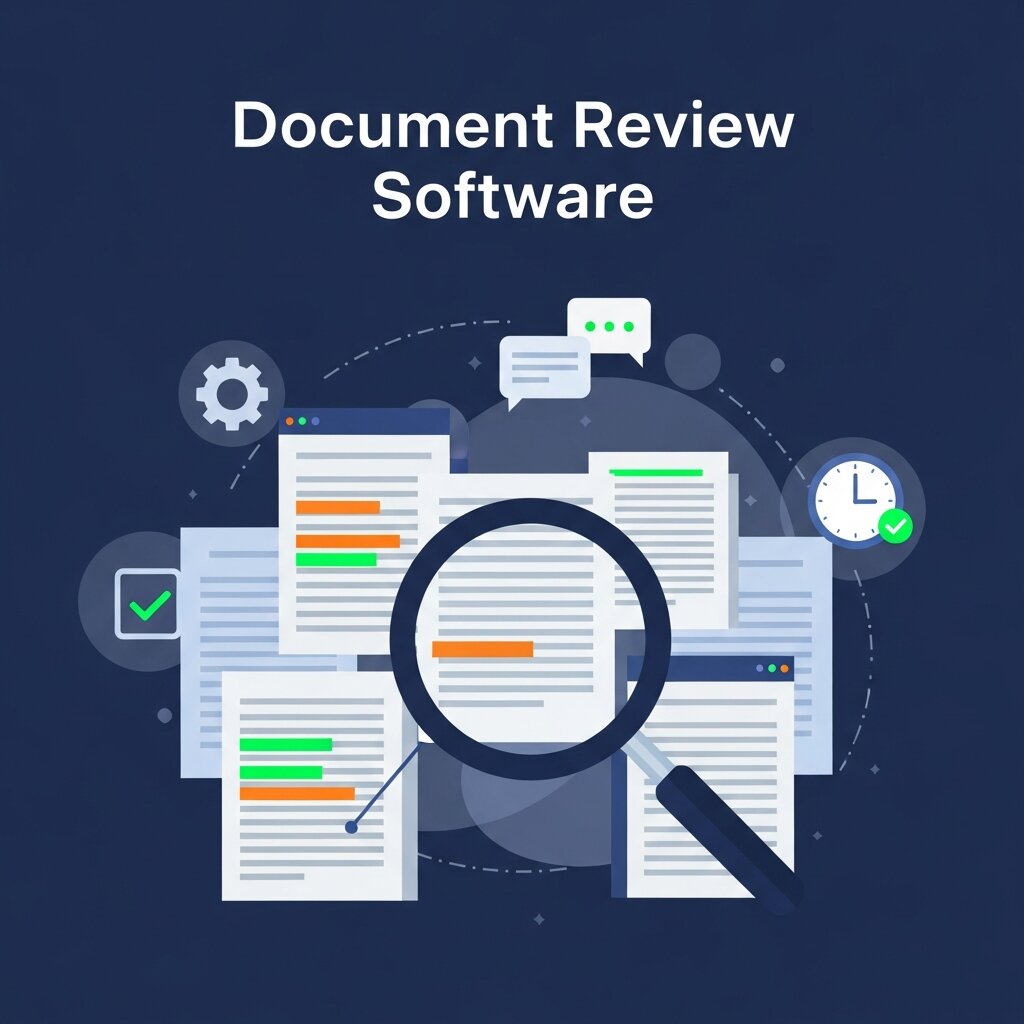
We have all experienced the frustration of staring at a seemingly endless stack of contracts, reports, or legal briefs. Manual review processes drain time, energy, and resources from teams that could be focusing on strategic growth. Reading through hundreds of pages to find a single missing clause or formatting error is tedious work. It often leads to burnout and costly mistakes.
Artificial intelligence has stepped in to solve this exact problem. By automating the most repetitive aspects of data analysis and text verification, intelligent tools are fundamentally changing how organizations operate. Teams no longer have to rely solely on human endurance to get through massive files.
Understanding this shift is critical for any business leader or team manager looking to optimize their daily operations. AI-powered document review software does much more than simply read text. It understands context, flags inconsistencies, and learns from previous corrections to become smarter over time.
This post will explore how these intelligent systems are transforming modern workflows. You will learn about the core benefits of automation, discover specialized tools for different departments, and get practical advice on implementing these technologies to help your team work smarter.
The Problem with Traditional Review Processes
Before examining the solutions, we need to understand why old methods are failing. For decades, companies have relied on manual labor to verify information, check for compliance, and ensure quality. This approach worked when business moved slower, but current demands make it entirely unsustainable.
High Error Rates and Fatigue
Human beings are naturally prone to fatigue. When an employee reads technical language for four straight hours, their attention span drops significantly. Missing a misplaced decimal point in a financial report or a poorly phrased liability clause in a contract can have devastating consequences. Organizations often try to combat this by adding more layers of human oversight. Unfortunately, adding a second or third reader only increases labor costs without guaranteeing a perfect outcome.
Severe Production Bottlenecks
Manual checks create massive bottlenecks. A legal department might have ten lucrative contracts waiting for approval, but only two lawyers available to read them. The entire revenue cycle pauses while those professionals read every single line. This delay frustrates clients and slows down corporate momentum. When one department becomes a roadblock, the entire organization suffers.
Enter AI-Powered Document Review Software
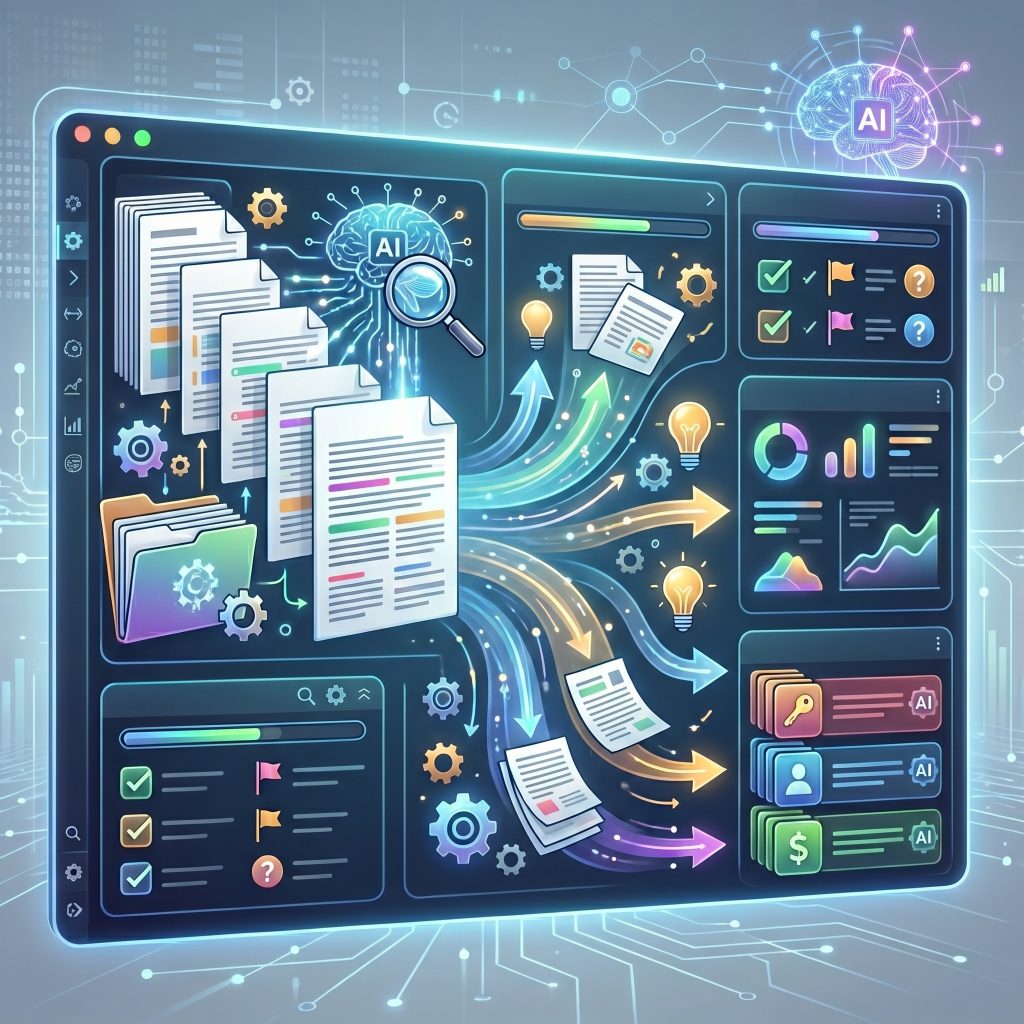 Artificial intelligence changes the fundamental mechanics of reading and verifying text. Document review software uses natural language processing and machine learning to analyze files at lightning speed. It can scan a fifty-page contract in seconds, instantly highlighting areas of concern.
Unprecedented Speed and Efficiency
The most immediate benefit of adopting this technology is velocity. AI algorithms do not need coffee breaks, and they do not lose focus at the end of the day. A process that once took an entire legal team three weeks can now be completed in an afternoon. This speed allows organizations to take on more clients, process more claims, and finalize deals faster than their competitors.
Unmatched Accuracy and Consistency
Machine learning models evaluate text based on strict rule sets and historical data. If you train the software to flag specific indemnity clauses, it will find every single instance with flawless consistency. It eliminates the variability of human emotion and fatigue. Over time, as the system processes more of your company’s specific files, it adapts to your unique terminology and becomes even more accurate.
Key Features of Modern Review Management Software
When selecting review management software, businesses should look for tools that offer comprehensive features designed to streamline collaboration. Modern platforms provide centralized hubs where multiple stakeholders can view the AI’s suggestions and make final decisions.
Automated Redaction and Privacy Compliance
Handling sensitive information requires strict security measures. Intelligent platforms can automatically detect personally identifiable information, such as social security numbers, medical records, or financial details. The software instantly redacts this data before the file is shared across departments, ensuring compliance with strict privacy laws.
Smart Version Control
Revising a file multiple times often leads to confusion. People lose track of which draft is the final version. AI systems manage version control automatically, tracking who made changes, what the AI suggested, and when the edits were finalized. This creates a clear, auditable trail that protects the company during disputes.
Expanding Beyond Text: Specialized AI Review Tools
The concepts driving automated document analysis have expanded far beyond legal contracts and corporate reports. Different departments face their own unique review challenges, and AI developers have created specialized software to meet those needs.
The Rise of AI Code Review Software
Software development teams constantly struggle with debugging and peer reviews. Reading thousands of lines of code to find vulnerabilities takes days of valuable engineering time. Modern code review software utilizes AI to scan repositories for security flaws, inefficient logic, and style violations. By catching these issues before they reach production, engineering teams can release updates faster and build more stable applications.
Transforming HR with Performance Review Software
Human resources departments manage enormous amounts of qualitative data regarding employee evaluations. Reading through peer feedback, self-assessments, and manager notes is a massive undertaking. Intelligent performance review software can analyze this text to identify common themes in employee behavior, track skill progression, and even flag potential biases in how managers write their evaluations. This allows HR professionals to foster a fairer, more productive workplace.
Steps to Integrate AI Review Tools into Your Workflow
 Purchasing software is only the first step. Successfully transforming your workflow requires a thoughtful implementation strategy. Rushing the rollout often leads to confusion and low adoption rates among your staff.
Assess Your Current Limitations
Start by mapping out your existing processes. Identify exactly where files get stuck and which employees are spending the most time on manual reading. If your engineering team is missing deadlines because of debugging, prioritize code analysis tools. If your HR department is overwhelmed during evaluation season, look into performance management platforms. Targeting the most painful bottleneck will yield the best early results.
Train Your Team to Work alongside AI
Employees often feel threatened by automation. It is crucial to position these tools as assistants rather than replacements. Train your staff on how to interpret the software’s suggestions. Emphasize that the AI is there to handle the tedious scanning, freeing them up to make high-level strategic decisions based on the software’s findings.
Start Small and Scale Up
Do not overhaul your entire company’s workflow overnight. Run a pilot program with a small, tech-savvy team. Let them use the document review software on historical files to test its accuracy. Gather their feedback, adjust the software’s parameters, and slowly introduce the technology to other departments once you have proven its value.
Integration with Existing Business Systems
One of the biggest advantages of modern document review software is its ability to integrate seamlessly with existing business tools. Whether your organization uses CRM systems, cloud storage platforms, or enterprise resource planning software, AI-powered solutions can connect through APIs and automation pipelines. This ensures that documents flow smoothly between departments without manual intervention. For example, contracts approved by the legal team can automatically sync with finance or sales systems, eliminating duplication of effort. Integration also enhances data accuracy, as information is updated in real time across platforms. By creating a unified ecosystem, businesses can improve collaboration, reduce operational friction, and ensure that every team works with the most up-to-date and verified information.
Enhancing Collaboration Across Teams
Document review software is not just about automation—it also significantly improves team collaboration. Multiple users can access, review, and comment on the same document simultaneously, regardless of their location. This is particularly valuable for remote or globally distributed teams. Built-in collaboration features such as annotations, tagging, and approval workflows streamline communication and eliminate long email chains. AI-generated insights can also be shared instantly, allowing decision-makers to act faster. Instead of waiting for sequential reviews, teams can work in parallel, reducing turnaround time. This collaborative environment encourages transparency and accountability, ensuring that every stakeholder has visibility into the review process and can contribute effectively.
Customization and Workflow Flexibility
 Every organization has unique document requirements, and modern review tools are designed with flexibility in mind. Businesses can customize workflows to match their specific processes, from legal contract validation to internal policy reviews. AI models can be trained to recognize industry-specific terminology, compliance standards, and preferred formatting styles. This level of customization ensures that the software aligns perfectly with organizational goals rather than forcing teams to adapt to rigid systems. Additionally, workflow automation can include conditional triggers, such as escalating high-risk documents for senior review. By tailoring the system to fit their needs, companies can maximize efficiency while maintaining control over critical decision-making processes.
Real-Time Analytics and Reporting
Another powerful feature of document review software is its ability to generate real-time analytics. Organizations can track how long reviews take, identify common errors, and measure team productivity. These insights help managers make data-driven decisions to improve workflows and resource allocation. For example, if analytics reveal that a specific type of document consistently causes delays, businesses can refine their templates or adjust their processes. AI dashboards provide visual reports that highlight trends, risks, and performance metrics, making it easier to monitor progress over time. This level of visibility transforms document review from a reactive task into a proactive strategy for continuous improvement.
Scalability for Growing Organizations
As businesses expand, the volume of documents they handle increases exponentially. Manual processes simply cannot keep up with this growth. Document review software offers scalability, allowing organizations to process thousands of files without compromising speed or accuracy. Cloud-based solutions, in particular, enable companies to scale resources up or down based on demand. This flexibility is crucial for handling peak workloads, such as end-of-quarter reporting or large contract negotiations. Moreover, scalable systems ensure consistent quality across all documents, regardless of volume. By investing in scalable technology, businesses can future-proof their operations and maintain efficiency even as their needs evolve.
The Future of Automated Processing
The capabilities of intelligent analysis are growing rapidly. Future iterations of these platforms will likely integrate directly with corporate communication tools, automatically analyzing attachments in emails and chat applications before they are even opened. We will also see greater interconnectivity between different types of software. A contract scanned by the legal department’s tool might automatically trigger updates in the HR department’s systems, creating a seamless flow of data across the entire organization.
Frequently Asked Questions (FAQ)
What is document review software?
Document review software is a digital tool that uses automation and artificial intelligence to analyze, verify, and manage large volumes of documents. It helps identify errors, inconsistencies, missing clauses, and compliance risks quickly and accurately, reducing the need for manual review.
How does AI improve document review processes?
AI enhances document review by using natural language processing and machine learning to understand context, not just keywords. It can quickly scan documents, flag risks, suggest corrections, and learn from past decisions, making the process faster, smarter, and more consistent over time.
Who should use document review software?
Document review software is useful for a wide range of professionals, including legal teams, corporate managers, HR departments, compliance officers, and software developers. Any organization that handles large volumes of text-based data can benefit from automated review tools.
Is AI document review software reliable?
Yes, modern AI-powered tools are highly reliable when properly trained and configured. They follow consistent rules and do not suffer from fatigue like humans. However, they are most effective when used alongside human oversight for final decision-making and strategic judgment.
Can document review software help with compliance?
Absolutely. These tools are designed to detect regulatory requirements, flag non-compliant language, and ensure that documents meet legal and industry standards. Automated audit trails and version tracking also make it easier to pass compliance checks.
How secure is document review software?
Most enterprise-grade document review platforms include strong security features such as encryption, access controls, and automated redaction of sensitive data. This ensures that confidential information remains protected throughout the review process.
Take the Next Step Toward Smarter Workflows
Sticking to outdated manual processes is a guaranteed way to fall behind your competitors. Embracing automation allows your team to work faster, make fewer mistakes, and focus their energy on creative problem-solving. Review your current operations this week. Identify one major bottleneck caused by manual reading, and request a demonstration from a leading software provider. Giving your team the right tools will completely change the way they work.