
Customer opinions can reveal what a business is doing well and where it needs to improve. However, collecting feedback through scattered emails, reviews, surveys, and social media conversations can make valuable information difficult to manage.
Customer feedback software provides a centralized way to collect, organize, monitor, and analyze customer opinions. Instead of relying on assumptions, businesses can use real customer insights to guide product development, service improvements, marketing strategies, and customer experience decisions.
When feedback becomes part of a structured business process, customer opinions can become a valuable source of long-term growth.
What Is Customer Feedback Software?
Customer feedback software is a digital solution that helps businesses collect and manage opinions, reviews, ratings, suggestions, and other forms of customer input.
Depending on the platform, businesses may collect feedback through surveys, website forms, email campaigns, review requests, social channels, or other digital touchpoints.
The software can organize responses and provide analytics that help teams identify trends, recurring issues, and areas of customer satisfaction. This makes it easier for businesses to move from simply collecting feedback to actually using it for strategic decisions.
Why Customer Feedback Matters for Business Growth
 Customers experience products and services directly, so their opinions can provide information that internal teams may not see. A business might believe that its checkout process is simple, for example, while customers repeatedly report difficulties during payment. Without a structured feedback system, these problems can remain unnoticed.
Customer feedback can reveal usability issues, product weaknesses, service problems, and unmet expectations. More importantly, acting on useful feedback can demonstrate that a business listens to its customers.
How Customer Feedback Software Turns Opinions Into Growth
Centralizes Customer Opinions
Businesses often receive feedback from multiple sources. Customers may leave reviews on websites, respond to surveys, send emails, post comments, or submit support requests. Managing these sources separately can make it difficult to identify broader patterns.
Customer feedback software can bring information into a more organized environment. Teams can review customer opinions without constantly searching through different platforms. Centralized feedback makes it easier to identify recurring themes and prioritize important issues.
Identifies Common Customer Problems
Individual complaints can sometimes appear insignificant, but repeated complaints may reveal a larger problem.
Feedback software can help businesses identify recurring concerns related to product quality, delivery, pricing, usability, customer service, or website experiences.
When several customers mention the same issue, the business has stronger evidence that the problem deserves attention. Resolving these recurring problems can improve satisfaction and reduce future complaints.
Use Customer Review Software to Build Trust

Collect Reviews Consistently
Customer review software can help businesses request reviews from customers after purchases or service interactions.
Instead of depending entirely on customers to remember to leave feedback, businesses can create automated review-request workflows. Consistent review collection can help companies build a larger collection of genuine customer experiences over time.
Showcase Positive Experiences
Positive reviews can provide social proof for potential customers who are evaluating a product or service.
Businesses can use relevant reviews on websites, product pages, landing pages, and other marketing materials where appropriate. Customer opinions can therefore influence both existing customer relationships and future purchasing decisions.
Respond to Negative Reviews Professionally
Negative feedback should not automatically be treated as something to hide. It can provide valuable information about customer expectations and business weaknesses.
Businesses can use review management features to monitor negative feedback and respond appropriately. A professional response can demonstrate that the company takes customer concerns seriously and is willing to address problems.
Manage Online Reviews More Effectively
Monitor Multiple Review Channels
Online review software can help businesses monitor reviews across different digital platforms.
Instead of checking each platform manually, businesses can use centralized monitoring to identify new reviews and prioritize responses. This can be particularly valuable for companies with multiple locations, products, or digital sales channels.
Identify Reputation Trends
Review monitoring can reveal changes in customer sentiment over time. If positive reviews increase after a product improvement, for example, the business may have evidence that the change produced a better customer experience. Likewise, a sudden increase in negative reviews can signal an emerging issue that requires immediate attention.
Use Amazon Review Software for Product Insights
Understand Product Feedback
For businesses selling through Amazon, customer reviews can provide important information about product performance.
Amazon review software can help sellers organize and analyze customer opinions to identify common complaints, product strengths, and frequently mentioned features. This information can help sellers understand how customers actually experience their products.
Improve Product Listings
Customer reviews can also reveal the language customers use when describing products. Businesses can use these insights to improve product descriptions, FAQs, images, and other listing elements while remaining accurate and compliant with platform policies. For example, if customers frequently ask about a particular feature, the seller may consider providing clearer information in the product listing.
Turn Feedback Into Product Improvements
Identify Feature Requests
Customers often provide ideas about features they would like to see in future products. Feedback software can help teams organize these requests and identify which suggestions appear most frequently. Not every request should automatically become a product feature, but recurring feedback can help product teams prioritize opportunities.
Discover Product Weaknesses
Customer comments can reveal problems that may not appear during internal testing. Issues related to usability, durability, packaging, functionality, or instructions can become visible through real customer experiences. Businesses can use these insights to improve future versions and reduce recurring dissatisfaction.
Improve Customer Experience

Understand the Customer Journey
Feedback can be collected at different stages of the customer journey, including before purchase, during checkout, after delivery, and following customer support interactions.
Collecting feedback at different points helps businesses understand where customers experience friction. For example, customers may be satisfied with a product but frustrated by delivery delays. Without journey-specific feedback, the business might incorrectly assume that the overall experience is poor.
Personalize Customer Interactions
Feedback can also provide information about individual customer preferences and expectations. When used responsibly, these insights can help businesses provide more relevant communication and support. Customers may feel more valued when businesses remember previous concerns and avoid making them repeat the same information.
Improve Customer Retention
Address Problems Before Customers Leave
Customers do not always complain before leaving a business. Some simply stop purchasing or interacting. Regular feedback collection can give businesses opportunities to identify dissatisfaction earlier. If a customer reports a problem, the company can investigate and respond before that issue becomes a reason for permanent churn.
Show Customers That Their Opinions Matter
Asking for feedback is only the beginning. Customers are more likely to trust a business when they see evidence that their suggestions influence improvements. Businesses can communicate updates based on customer feedback and explain how changes were made. This can create a stronger relationship between customers and the company.
Support Data-Driven Business Decisions
Replace Assumptions With Evidence
Business decisions are sometimes influenced by internal opinions or assumptions about customer preferences. Customer feedback provides direct evidence of what customers think, want, and experience. When feedback is combined with sales, analytics, and customer behavior data, businesses can make more informed decisions.
Prioritize High-Impact Improvements
Not every customer comment requires immediate action. Feedback software can help teams identify issues based on frequency, severity, customer segment, or business impact. This allows businesses to focus resources on changes that are most likely to improve customer satisfaction and business performance.
Automate Feedback Collection
Send Timely Feedback Requests
Timing can influence the quality of feedback. Asking a customer immediately after an interaction may produce different insights than asking several weeks later. Automated systems can trigger requests based on specific customer actions. For example, a business can automatically send a survey after a purchase, support interaction, delivery, or service appointment.
Reduce Manual Work
Manual feedback collection can require employees to send messages, organize responses, and create reports. Automation reduces these repetitive tasks and allows teams to focus on analyzing results and taking action. This can make customer feedback programs easier to maintain as the business grows.
Measure Customer Feedback Performance
Track Response Rates
Response rate indicates how many customers participate in feedback requests. A low response rate may suggest that surveys are too long, poorly timed, or not clearly communicated. Businesses can experiment with survey length, messaging, timing, and channels to encourage more useful participation.
Monitor Satisfaction Metrics
Businesses can track metrics such as customer satisfaction scores, ratings, sentiment, retention, and review volume. These measurements can help organizations understand whether customer experience is improving over time. Metrics should be connected to meaningful business objectives rather than tracked simply because they are available.
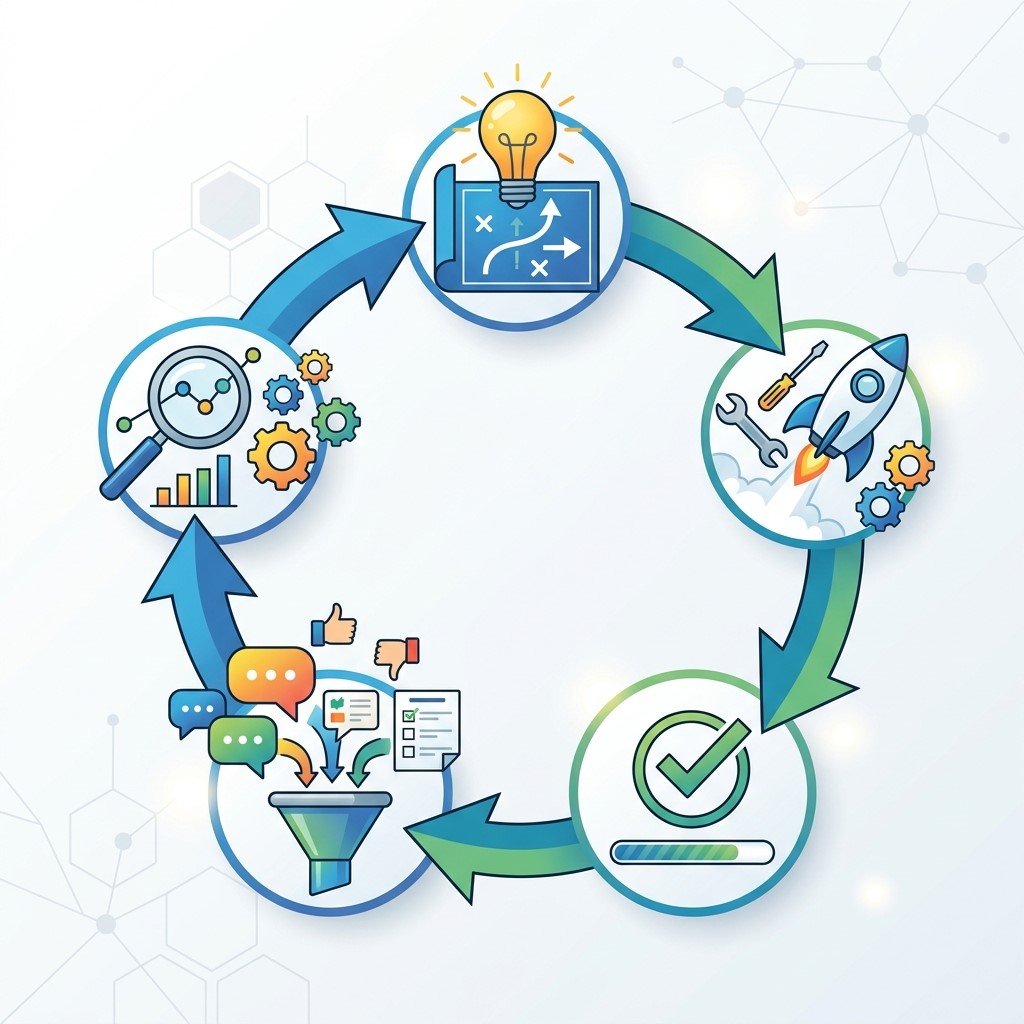
Create a Feedback-to-Action Process
Organize Feedback by Category
Businesses can categorize feedback into areas such as product, pricing, customer service, delivery, website usability, and technical problems. Categorization makes large amounts of feedback easier to understand. It also allows different departments to receive information relevant to their responsibilities.
Assign Responsibility
Feedback should have clear ownership. If customers repeatedly report a technical issue, someone should be responsible for reviewing and addressing it. Assigning responsibility prevents customer feedback from becoming a collection of comments that nobody acts upon.
Close the Feedback Loop
Closing the feedback loop means communicating with customers about what happened after they provided feedback. For example, a company could explain that a common problem was identified and corrected after receiving customer reports. This demonstrates that customer opinions have practical value.
Common Mistakes to Avoid
Collecting Feedback Without Acting
One of the biggest mistakes is collecting large amounts of feedback without using it. Customers may become frustrated if they repeatedly provide opinions but never see improvements. Businesses should establish a clear process for reviewing feedback and turning important insights into action.
Asking Too Many Questions
Long surveys can reduce participation and produce incomplete responses. Businesses should keep questions focused and only ask for information that can support meaningful decisions. Short, relevant surveys are often easier for customers to complete.
Focusing Only on Positive Feedback
Positive reviews are valuable, but negative feedback can reveal important opportunities. Businesses should monitor both types of feedback and look for patterns across the entire customer experience. A balanced approach provides a more realistic understanding of customer satisfaction.
Best Practices for Customer Feedback Software
Keep Feedback Collection Simple
Make it easy for customers to share their opinions. Use clear questions, simple forms, and convenient channels. Avoid unnecessary steps that could discourage participation.
Respond Quickly
Timely responses show customers that their opinions matter. Businesses should establish processes for identifying urgent complaints and responding before issues become larger problems.
Combine Qualitative and Quantitative Data
Ratings and scores provide measurable information, while written comments provide context. Using both types of feedback can help businesses understand not only what customers think but also why they feel that way.
Review Feedback Regularly
Customer feedback should be reviewed consistently rather than only when a problem becomes serious. Regular analysis helps businesses identify emerging trends and respond to changes in customer expectations.
Frequently Asked Questions
1. What is customer feedback software?
Customer feedback software is a digital solution that helps businesses collect, organize, monitor, and analyze customer opinions. It can manage surveys, ratings, reviews, comments, and other feedback to support better customer experience and business decisions.
2. How does customer feedback software help businesses grow?
It helps businesses identify customer needs, discover product problems, improve services, monitor satisfaction, and strengthen relationships. These insights can support better decisions that improve retention, reputation, and customer experience.
3. What is customer review software?
Customer review software helps businesses collect, manage, monitor, and respond to customer reviews. It can automate review requests and organize feedback to help companies improve their reputation and understand customer experiences.
4. What is online review software?
Online review software helps businesses monitor and manage customer reviews across digital platforms. It can make it easier to track new reviews, identify trends, respond to customers, and understand online reputation.
5. How can Amazon review software help sellers?
Amazon review software can help sellers analyze customer reviews to identify recurring product issues, customer preferences, and common questions. These insights can support product improvements and clearer customer-facing information.
6. Can customer feedback software automate surveys?
Yes. Many feedback platforms can automate survey invitations, reminders, response collection, and reporting. Businesses can trigger surveys based on actions such as purchases, deliveries, or customer support interactions.
7. How often should businesses collect customer feedback?
The ideal frequency depends on the business and customer journey. Feedback can be collected after important interactions or at appropriate intervals, but businesses should avoid excessive requests that may annoy customers.
8. Should businesses respond to negative reviews?
Yes. Professional responses to negative reviews can show that a business takes customer concerns seriously. Companies should acknowledge legitimate problems, provide appropriate assistance, and avoid defensive or confrontational responses.
9. What metrics should businesses track?
Useful metrics can include customer satisfaction scores, review ratings, response rates, review volume, sentiment trends, retention rates, and issue resolution rates. The most useful metrics depend on the company’s goals.
10. How can businesses turn feedback into action?
Businesses can categorize feedback, identify recurring issues, assign responsibility, prioritize high-impact improvements, and communicate changes to customers. This creates a feedback-to-action process that turns opinions into measurable improvements.