Picking the right software can feel like a gamble. You read a few reviews, spot a shiny five-star rating, and click “buy”—only to realize weeks later that the tool doesn’t actually fit your needs. Sound familiar? You’re not alone. Most buyers rely heavily on software ratings, yet very few know how to read them critically.
The truth is, not all ratings are created equal. A 4.8-star average might be built on ten reviews or ten thousand. Some scores reflect genuine user satisfaction, while others are padded by incentives, fake accounts, or outdated feedback. If you don’t know what to look for, those numbers can lead you straight to a poor purchase.
This guide will teach you how to evaluate software ratings like a pro. You’ll learn how to dig beneath the surface, separate trustworthy feedback from noise, and make confident buying decisions—whether you’re shopping for document review software, customer review software, or code review software. By the end, you’ll never look at a star rating the same way again.
Why Software Ratings Matter More Than You Think
Software ratings are often the first thing buyers notice when comparing products. They act as social proof, signaling that other people have used a tool and found it valuable (or not). For many shoppers, a high rating is the deciding factor between two similar products.
But ratings carry a lot of weight for good reason. They condense the experiences of hundreds—sometimes thousands—of users into a single, digestible number. When used correctly, they save you hours of research and help you avoid expensive mistakes.
The problem? That convenience can backfire. A single number hides a lot of nuance. Two products with identical 4.5-star ratings can offer wildly different experiences. One might excel at customer support but lag on features, while the other does the opposite. To make smart choices, you need to treat ratings as a starting point, not the final word.
Understand What’s Behind the Star Rating
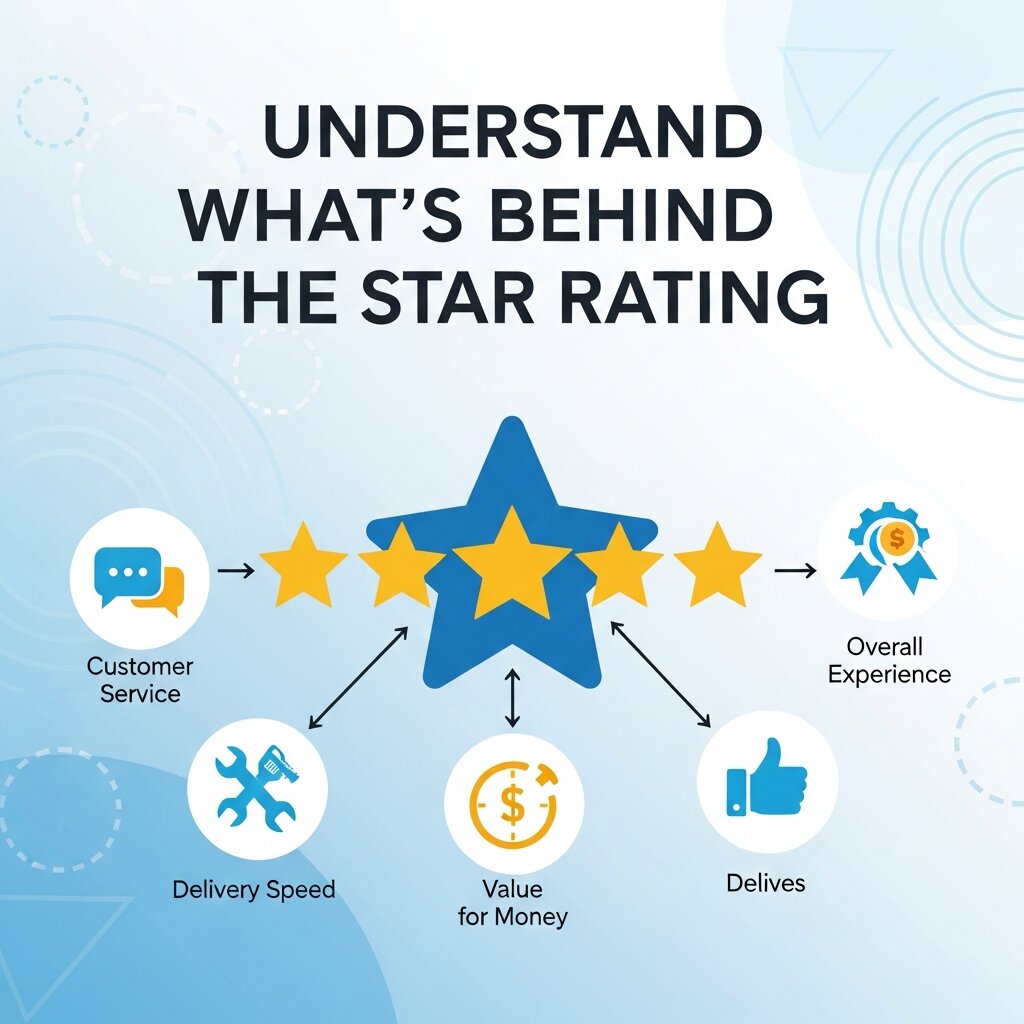 Before you trust any score, ask yourself a simple question: what is this rating actually measuring?
Most platforms calculate an average based on individual user reviews. But the criteria behind those reviews can vary widely. Some users rate based on ease of use, others on price, and others on customer service. A high overall score doesn’t tell you which of these factors drove it.
Dig into the breakdown whenever possible. Many review sites separate ratings into categories like usability, value for money, features, and support. If you’re shopping for code review software, for example, you might care far more about integration with your existing tools than about onboarding speed. Reading category-level scores helps you match the software to your actual priorities.
It also pays to know how the score is weighted. Some platforms give more recent reviews extra influence, while others treat every review equally—even ones from five years ago. A product that was excellent in 2019 may have changed hands, raised prices, or lost key features since then.
Check the Volume and Recency of Reviews
A five-star rating built on three reviews is meaningless. Sample size matters enormously when you’re evaluating software ratings.
Here’s a quick rule of thumb: the more reviews behind a score, the more reliable it tends to be. A 4.3-star rating from 2,000 users is far more trustworthy than a perfect 5.0 from a dozen. Larger samples smooth out the extremes and give you a clearer picture of the typical experience.
Recency matters just as much. Software changes fast. Features get added, bugs get fixed, and pricing models shift. Reviews from the past six to twelve months reflect the current product far better than ones from several years ago.
When you assess customer review software or any other tool, sort reviews by date. Look for a steady stream of recent feedback. A flood of glowing reviews followed by silence can signal a product that peaked early and stopped improving—or worse, a company that paid for a burst of positive ratings and moved on.
Read Beyond the Numbers
Star ratings are a summary, but the real insights live in the written reviews. This is where you learn how a product performs in the situations that matter to you.
Start by reading a mix of positive, neutral, and negative reviews. The five-star raves are nice, but the three-star reviews often give the most balanced perspective. They tend to highlight both strengths and weaknesses without the emotional extremes.
Pay close attention to recurring themes. If a dozen reviewers mention slow loading times or clunky reporting, that’s a pattern worth noting. One person’s complaint might be a fluke. Ten people raising the same issue is a warning sign.
Watch how the company responds, too. Vendors that reply to negative reviews with thoughtful solutions show they care about their customers. A long trail of ignored complaints suggests support might not be there when you need it. This is especially important for document review software and other tools where downtime or errors can disrupt critical work.
Spot Fake and Biased Reviews
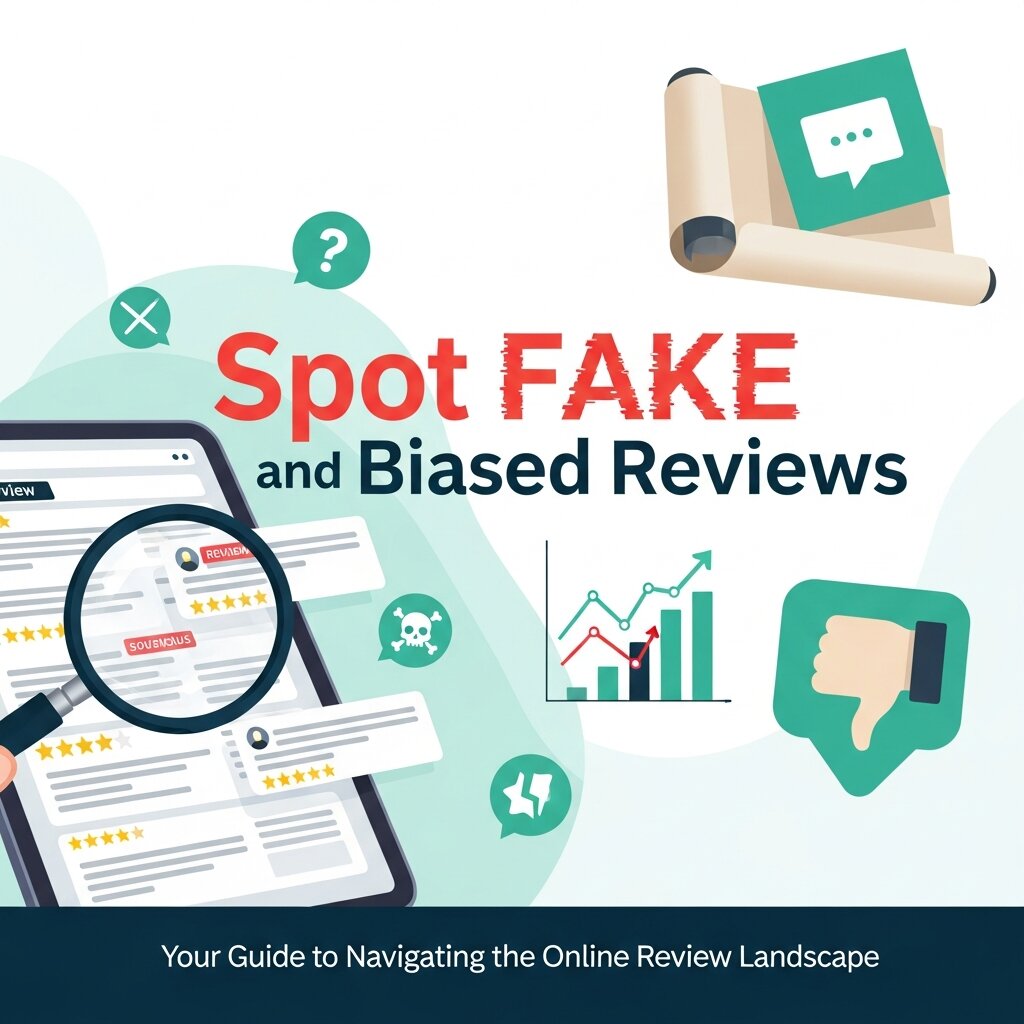 Not every review is genuine. Fake reviews—both positive and negative—are a real problem, and learning to spot them protects you from being misled.
Here are some common red flags to watch for:
- Vague, overly enthusiastic language: Reviews packed with generic praise like “Best software ever!” but no specific details are often fake or low-effort.
- Clusters of reviews posted on the same date: A sudden spike of glowing five-star reviews can indicate a paid or incentivized campaign.
- Repetitive phrasing: If several reviews use nearly identical wording, they may have been written by the same source.
- Reviewers with no other activity: Accounts that exist only to post one review carry less weight than established profiles.
- Suspiciously negative reviews from competitors: Vague complaints with no real substance can sometimes come from rivals trying to damage a product’s reputation.
Genuine reviews usually include specifics: the user’s role, how long they’ve used the product, and concrete examples of what worked or didn’t. The more detail, the more trustworthy.
Compare Ratings Across Multiple Platforms
Relying on a single source is one of the biggest mistakes buyers make. Each review platform has its own audience, moderation standards, and potential biases.
A product might shine on one site and struggle on another. That gap often reveals something useful. Maybe one platform attracts enterprise users while another caters to small businesses with different needs. Comparing scores across several reputable sites gives you a more complete and balanced view.
Look at well-known independent review platforms, vendor websites, and even community forums where users discuss tools candidly. When you’re researching customer review software or code review software, technical communities often surface honest opinions you won’t find on mainstream review sites.
If a product earns consistently strong ratings across multiple independent sources, that’s a powerful signal. Wildly different scores, on the other hand, should prompt you to dig deeper before deciding.
Match Ratings to Your Specific Needs
A high rating doesn’t guarantee the software is right for you. The best-rated tool on the market might be overkill for a small team—or missing a feature your workflow depends on.
Start by listing your must-have requirements before you even look at ratings. What problem are you solving? Which integrations do you need? What’s your budget? With that list in hand, you can filter ratings through the lens of your own priorities.
Pay attention to reviews from users who resemble you. A solo freelancer and a 500-person enterprise will have very different experiences with the same document review software. Look for feedback from people in similar roles, industries, or company sizes. Their reviews will be far more relevant than a generic average.
Many platforms let you filter reviews by company size, industry, or use case. Take advantage of these tools. A 4.2-star rating from users just like you is worth more than a 4.8 from a completely different audience.
Take Advantage of Free Trials and Demos
Ratings can point you in the right direction, but nothing beats firsthand experience. Once you’ve narrowed your options using software ratings, put the top contenders to the test.
Most reputable vendors offer free trials or live demos. Use them. A trial lets you confirm whether the interface feels intuitive, whether the features deliver as promised, and whether the tool fits naturally into your daily workflow.
During a trial, test the specific tasks you’ll perform most often. If you’re evaluating code review software, run it through a real pull request. If it’s customer review software, set up a sample campaign. Real-world testing reveals strengths and weaknesses that no rating can capture.
Don’t forget to test customer support during this period. Send a question and see how quickly and helpfully the team responds. The quality of support you receive as a prospect often reflects what you’ll get as a paying customer.
Common Mistakes People Make When Using Software Ratings
Even experienced buyers often misinterpret software ratings, which leads to poor purchasing decisions. One of the biggest mistakes is treating the overall star rating as the final verdict. A high score can feel reassuring, but it rarely tells the full story behind performance, usability, or long-term reliability.
Another common mistake is ignoring user context. Many buyers overlook who is actually writing the reviews. A tool rated highly by enterprise teams may perform poorly for freelancers or small businesses. Without matching reviews to your own use case, even the best-rated software can end up feeling unsuitable.
People also tend to focus only on positive reviews while skipping critical feedback. This creates a biased view of the product. Negative and mid-range reviews often reveal real-world limitations, bugs, or missing features that don’t appear in marketing materials. Ignoring them removes an important layer of truth from your decision-making process.
Finally, many users forget to verify whether ratings are current. Outdated reviews can reflect an older version of the software that has since changed significantly. Relying on them can lead to outdated expectations and disappointment after purchase.
Building a Smart Software Evaluation Strategy
 A strong evaluation strategy goes beyond just reading ratings—it combines data, context, and hands-on testing. Start by clearly defining your requirements before you even look at reviews. When you know exactly what features, integrations, and budget limits matter to you, it becomes much easier to filter out irrelevant feedback.
Next, create a shortlist of software options and compare their ratings across multiple platforms. This helps you identify inconsistencies and spot potential bias. If a tool performs well everywhere, it is usually a stronger and more reliable choice than one with mixed or inconsistent scores.
After that, dive deeper into user feedback trends rather than individual opinions. Look for repeated patterns in complaints and praises. These patterns often reveal the true strengths and weaknesses of the software better than any single review ever could.
Finally, always validate your findings with real-world testing. Free trials and demos allow you to experience the software in action and confirm whether it actually fits your workflow. This step turns theoretical ratings into practical insight, helping you make a confident and informed final decision.
Making Your Final Decision With Confidence
Software ratings are a powerful tool—but only when you know how to read them. A number on a screen can guide your search, yet it should never replace your own judgment. The smartest buyers treat ratings as one piece of a larger puzzle.
To recap, evaluate ratings like a pro by checking what’s behind the score, weighing review volume and recency, reading the written feedback closely, and filtering out fake or biased reviews. Compare across multiple platforms, match the feedback to your specific needs, and finish with a hands-on trial before you commit.