Review monitoring software helps businesses track, manage, and analyze customer reviews across multiple online platforms from a centralized system. In a digital marketplace where customers frequently research businesses before making purchasing decisions, online reviews can strongly influence brand perception and trust.
What Is Review Monitoring Software?
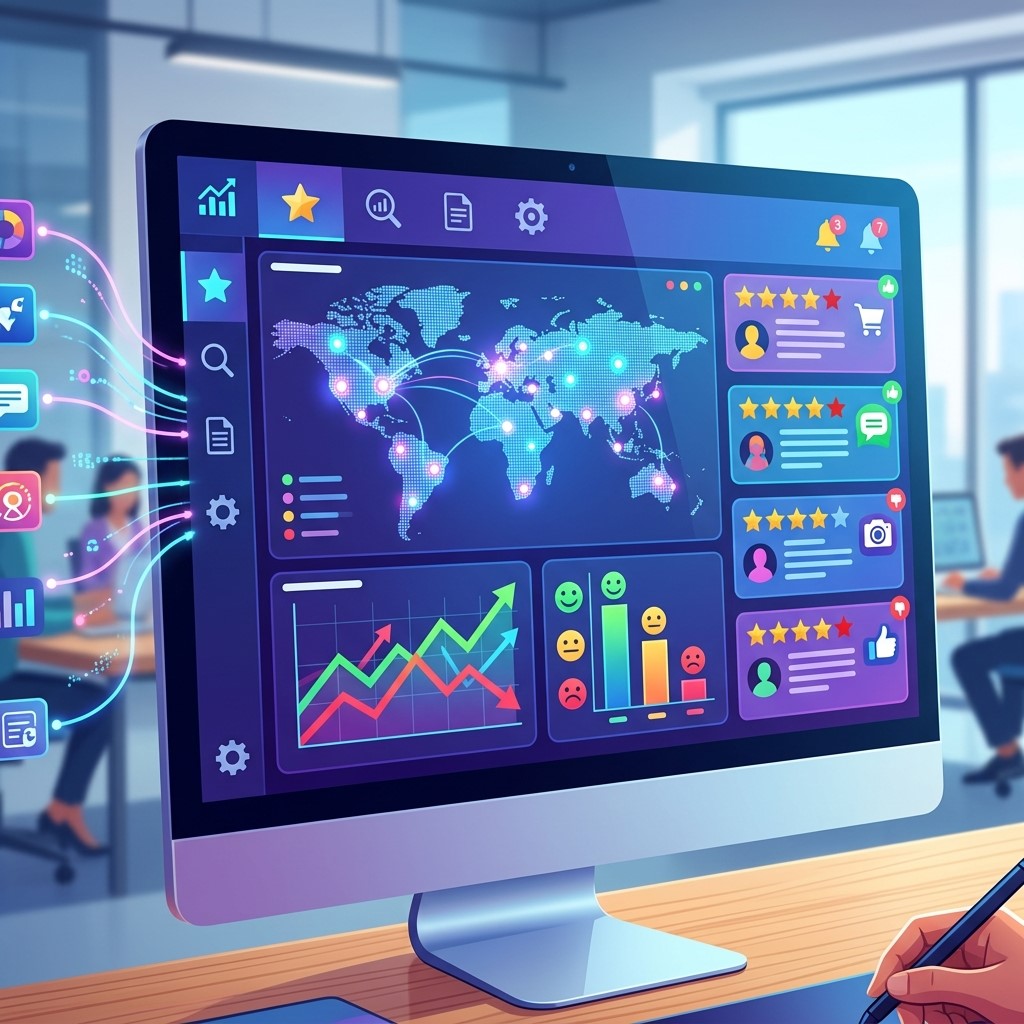
Review monitoring software is a technology solution that helps businesses track customer reviews and ratings across different online platforms. Instead of manually checking multiple websites, businesses can use a centralized dashboard to monitor new feedback and organize customer comments.
Depending on the platform, review monitoring software may provide notifications, sentiment analysis, response management, reporting, review requests, competitor monitoring, and reputation analytics.
The main purpose is to help businesses stay informed about what customers are saying. Faster awareness allows companies to respond appropriately and identify problems before negative experiences become larger reputation issues.
Why Brand Credibility Matters

Brand credibility reflects how trustworthy and reliable customers believe a business to be. Before purchasing, customers often look for evidence that a company delivers quality products, reliable services, and positive experiences.
Online reviews can provide that evidence. A consistent collection of authentic positive feedback can reassure potential customers, while unanswered complaints or repeated negative experiences can create uncertainty.
Businesses cannot control every customer opinion, but they can control how they respond to feedback. Review monitoring software provides the visibility needed to manage this process more effectively.
How Review Monitoring Software Builds Brand Credibility
Creates Faster Awareness
Review monitoring software can notify businesses when new customer feedback appears. This helps teams discover positive comments, complaints, questions, and potential reputation issues without constantly checking individual platforms.
Enables Faster Responses
Responding promptly shows customers that their opinions matter. A timely and professional response can demonstrate accountability and willingness to solve problems, especially when customers raise legitimate concerns.
Identifies Recurring Problems
When businesses analyze reviews over time, they may discover repeated complaints about pricing, service quality, delivery, product performance, or customer support. Identifying these patterns can guide operational improvements.
Demonstrates Transparency
A business that acknowledges customer concerns rather than ignoring them can appear more transparent. Thoughtful responses can show potential customers that the company takes responsibility for customer experiences.
The Role of Online Review Software
Online review software helps businesses manage customer reviews across digital channels more efficiently. It can centralize feedback, simplify monitoring, and provide tools for responding or analyzing review trends.
Centralized Review Management
Businesses may receive reviews from search platforms, social networks, industry directories, marketplaces, and other websites. A centralized system can make it easier for teams to monitor these sources without switching between multiple accounts.
Review Notifications
Automated notifications can alert teams when customers publish new reviews. This reduces the chance of important feedback remaining unnoticed for extended periods.
Review Analytics
Analytics can help businesses identify changes in ratings, review volume, sentiment, and customer concerns. These insights can support reputation management and broader business decisions.
How Customer Feedback Software Supports Credibility
 Customer feedback software goes beyond monitoring public reviews by helping businesses collect and analyze customer opinions directly.
Collects Customer Opinions
Businesses can use surveys, feedback forms, questionnaires, and other tools to gather information from customers. This creates additional sources of insight beyond public review platforms.
Identifies Customer Expectations
Feedback can reveal what customers value most about a product or service. Businesses can use these findings to improve their offerings and align experiences with customer expectations.
Supports Continuous Improvement
Customer feedback should not simply be collected and stored. Companies can use recurring insights to improve products, services, support processes, communication, and overall customer experience.
The Importance of Software Usability
Software usability affects how effectively employees can use review management tools. A complicated platform may discourage teams from monitoring reviews consistently.
Simple Navigation
A clear dashboard helps users quickly locate new reviews, important alerts, analytics, and response tools. Simple navigation reduces the time required to complete routine reputation management tasks.
Easy Review Management
Teams should be able to read, organize, respond to, and analyze reviews without unnecessary steps. Good software usability can improve adoption and encourage employees to use the platform consistently.
Accessible Reporting
Review reports should present important information in a clear format. Easy-to-understand dashboards can help managers identify trends without requiring advanced technical knowledge.
How Review Monitoring Helps Manage Negative Reviews
Negative reviews are not automatically harmful to a brand. In some cases, they provide valuable information about customer expectations and operational weaknesses.
Respond Professionally
A professional response should acknowledge the customer’s concern and avoid defensive language. Businesses should focus on understanding the issue and offering an appropriate path toward resolution.
Identify Genuine Problems
Repeated negative comments about the same issue may indicate a real business problem. Review monitoring software can help identify these patterns and bring them to the attention of relevant teams.
Turn Problems Into Improvements
Businesses can use negative feedback as an opportunity to improve. Addressing recurring issues can improve future customer experiences and potentially reduce similar complaints.
How Positive Reviews Strengthen Brand Credibility
 Positive reviews can provide social proof and help potential customers feel more confident about choosing a business.
Builds Social Proof
Customers often look at other people’s experiences when evaluating products and services. Authentic positive reviews can demonstrate that other customers have had satisfactory experiences.
Highlights Business Strengths
Reviews can reveal what customers appreciate most. Businesses can identify recurring positive themes and use those insights to strengthen marketing messages.
Encourages Customer Confidence
A consistent collection of genuine positive feedback can reduce uncertainty for prospective customers. It can help demonstrate product quality, service reliability, and customer satisfaction.
Using Review Insights for Business Improvement
Improve Products and Services
Customer reviews can identify product features that work well and areas that need improvement. Businesses can use this information when planning updates, new features, or service changes.
Improve Customer Support
Repeated complaints about slow responses, unclear communication, or unresolved problems may indicate weaknesses in customer support. Review data can help management identify these issues.
Improve Customer Experience
Review trends can reveal friction points throughout the customer journey. Businesses can use these findings to improve ordering, delivery, onboarding, communication, payment, and support processes.
Review Monitoring Software and Customer Trust
Trust develops when businesses consistently demonstrate reliability and responsiveness. Review monitoring software can support this process by helping companies stay aware of customer experiences and respond appropriately.
When customers see that a business actively addresses concerns and values feedback, they may develop greater confidence in the brand. Prospective customers can also view these interactions as evidence of how the company treats its customers.
However, trust depends on authenticity. Businesses should avoid manipulating reviews or creating misleading feedback. Credibility is strengthened through genuine customer experiences and transparent responses.
Benefits for Different Types of Businesses
Local Businesses
Restaurants, salons, clinics, retailers, service providers, and other local businesses often depend heavily on online reputation. Review monitoring can help them track customer opinions across relevant platforms.
E-commerce Businesses
Online stores can monitor product and service reviews to identify customer concerns related to product quality, shipping, returns, and support.
Professional Services
Consulting firms, agencies, technology providers, and other professional service companies can use reviews to demonstrate expertise, reliability, and customer satisfaction.
Hospitality Businesses
Hotels, travel companies, and hospitality providers can monitor guest feedback to identify recurring service issues and understand what customers value most.
Best Practices for Using Review Monitoring Software
Monitor Reviews Consistently
Review management should be an ongoing process rather than an occasional activity. Regular monitoring helps businesses identify new feedback and respond while conversations are still relevant.
Create Response Guidelines
Businesses should establish clear guidelines for responding to different types of reviews. This helps teams maintain a consistent tone while allowing responses to remain personalized.
Encourage Authentic Reviews
Companies can invite satisfied customers to share honest feedback after purchases or completed services. Review requests should be genuine and should not pressure customers to provide positive ratings.
Analyze Review Trends
Looking at individual reviews is useful, but analyzing patterns over time can provide deeper insights. Businesses should monitor rating trends, recurring topics, sentiment, and changes in review volume.
Connect Feedback With Operations
Review data becomes more valuable when it reaches the teams responsible for solving identified problems. Marketing, sales, customer support, product, and operations teams can all benefit from relevant feedback.
Common Mistakes to Avoid
Ignoring Negative Feedback
Ignoring complaints can make customers feel that the business does not care about their concerns. Even when a problem cannot be resolved publicly, acknowledging the issue can demonstrate professionalism.
Using Generic Responses
Copy-and-paste responses may appear impersonal. Businesses should customize responses based on the customer’s specific situation while maintaining appropriate brand guidelines.
Focusing Only on Ratings
A star rating provides a useful overview, but the written feedback often contains more actionable information. Businesses should analyze customer comments to understand the reasons behind ratings.
Manipulating Reviews
Fake reviews or misleading review practices can seriously damage credibility. Businesses should focus on authentic feedback and genuine customer experiences.
Measuring the Impact of Review Monitoring
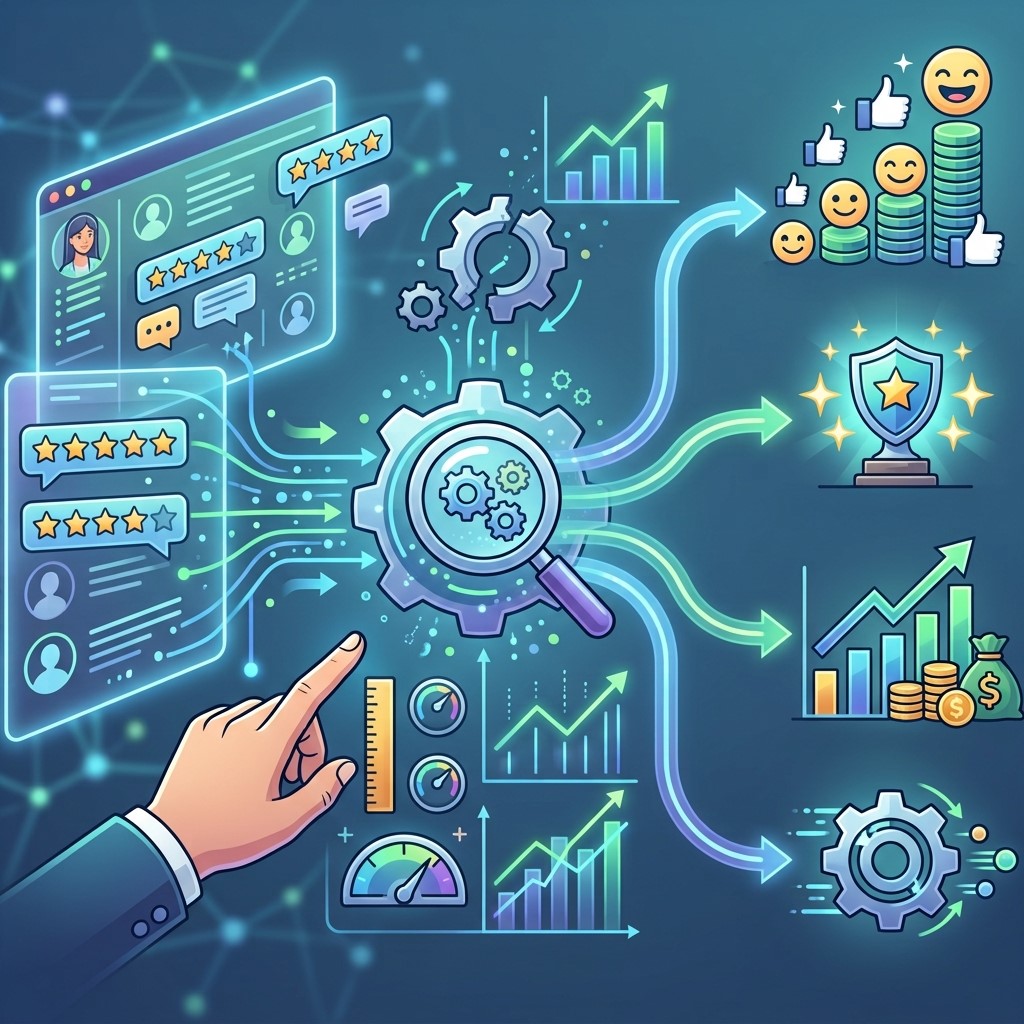 Businesses can use several metrics to evaluate the effectiveness of their review management strategy. These may include average rating, review volume, response time, sentiment trends, response rate, customer satisfaction, and recurring complaint categories.
Businesses can also examine whether reputation improvements are associated with changes in website traffic, inquiries, conversions, or sales. While reviews are only one factor in purchasing decisions, stronger reputation signals can contribute to greater customer confidence.
Regular reporting helps businesses understand whether their reputation strategy is working and where additional improvements are needed.
The Future of Review Monitoring Software
Review monitoring software is becoming increasingly intelligent as businesses adopt automation, artificial intelligence, sentiment analysis, and advanced customer analytics.
AI-powered systems can help categorize reviews, identify sentiment, detect recurring topics, summarize large volumes of feedback, and prioritize reviews that may require immediate attention.
However, automated systems should support rather than completely replace human judgment. Sensitive complaints, complex customer situations, and reputation-critical conversations often require thoughtful human responses.
Frequently Asked Questions
What is review monitoring software?
Review monitoring software is a tool that helps businesses track, organize, analyze, and respond to customer reviews across multiple online platforms from a centralized system.
How does review monitoring software improve brand credibility?
It helps businesses respond quickly, identify recurring customer concerns, monitor reputation trends, and demonstrate that they value customer feedback. Consistent and professional review management can strengthen customer trust.
What is online review software?
Online review software helps businesses manage reviews and ratings across digital platforms. Features may include review monitoring, notifications, response management, analytics, and review request tools.
What is customer feedback software?
Customer feedback software helps businesses collect, organize, and analyze customer opinions through surveys, forms, feedback requests, and other channels. It provides insights that can support customer experience improvements.
Why is software usability important for review monitoring?
Good software usability makes it easier for employees to monitor reviews, respond to customers, view analytics, and manage reputation tasks. Simple tools can encourage more consistent use across teams.
Should businesses respond to negative reviews?
Yes, businesses should generally respond professionally to legitimate negative feedback. A thoughtful response can acknowledge the customer’s concern, demonstrate accountability, and provide an appropriate path toward resolution.
Can review monitoring software track positive reviews?
Yes. Review monitoring software can track both positive and negative reviews. Positive feedback can help businesses identify strengths, understand customer preferences, and identify opportunities for authentic marketing messages.
Can businesses use reviews to improve their products?
Yes. Reviews can reveal recurring complaints, requested features, product strengths, and customer expectations. Businesses can analyze these insights to guide product and service improvements.
How often should businesses monitor online reviews?
Businesses should monitor reviews regularly rather than occasionally. Automated notifications can make this easier by alerting teams when new customer feedback becomes available.
Can review monitoring software increase sales?
It can contribute to stronger sales by improving reputation management, customer trust, response speed, and customer experience. However, sales results depend on multiple factors, including product quality, pricing, marketing, and customer demand.
Conclusion
Review monitoring software can play an important role in building and protecting brand credibility. By helping businesses track customer feedback, respond quickly, identify recurring problems, and analyze reputation trends, these platforms make online reputation management more systematic and efficient.
Online review software provides centralized monitoring and management, while customer feedback software can help businesses gather deeper insights directly from customers. Strong software usability ensures that teams can use these capabilities consistently without unnecessary complexity.