Consumer behavior has shifted dramatically over the last decade. Shoppers no longer rely on flashy television commercials or glossy magazine advertisements to make purchasing decisions. Instead, they look to their peers. Online reviews have become the ultimate social proof, guiding buyers through everything from choosing a local coffee shop to investing in enterprise-level enterprise tools.
Maintaining a positive online reputation is no longer a passive activity. A steady stream of authentic, positive customer feedback can act as an engine for rapid growth. Conversely, ignoring online sentiment can quietly erode consumer trust and push potential buyers directly toward your competitors. The challenge is that customer feedback is scattered across dozens of different platforms, directories, and social media channels.
Keeping track of every star rating and written comment manually is nearly impossible for a growing company. Team members can easily spend hours logging into different accounts, drafting responses, and trying to spot broader trends in customer satisfaction. This manual approach leaves too much room for error and delayed responses.
This is precisely where review management software comes into play. By streamlining how you collect, monitor, and respond to customer feedback, this technology allows businesses to turn their online reputation into a measurable asset. In this article, we will explore the core benefits of using these platforms and how they can fundamentally transform your relationship with your customers.
The New Word of Mouth: Understanding Online Reviews
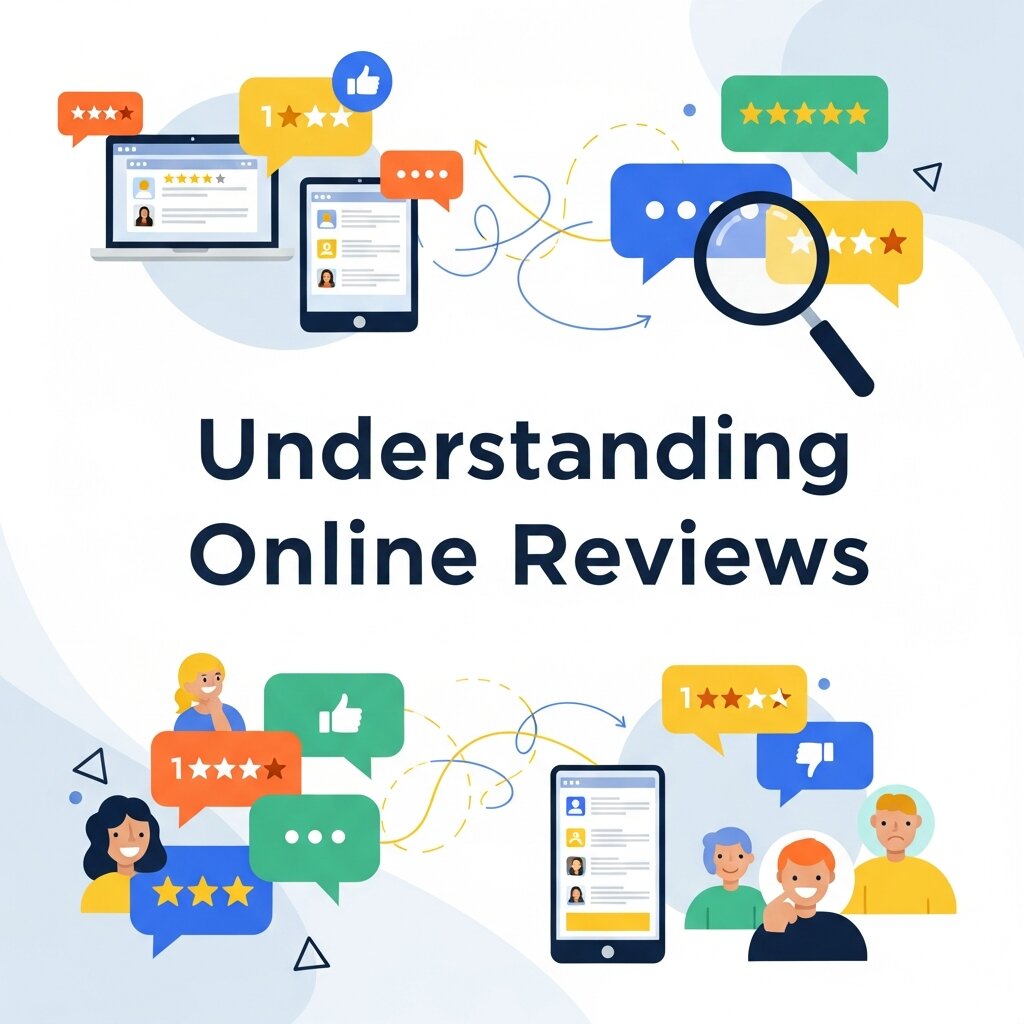 Word of mouth has always been the most effective form of marketing. People trust the recommendations of friends and family far more than they trust branded corporate messaging. The internet simply digitized this concept and amplified it on a massive scale.
How Reviews Impact Consumer Trust
When a potential customer searches for your business online, the first thing they see is often your star rating. This initial impression carries immense weight. High ratings signal reliability, quality, and excellent customer service. Consumers view an aggregate rating as a consensus of public opinion. If hundreds of people had a great experience with your brand, a new buyer assumes they will too.
Furthermore, consumers read the actual text of the reviews to understand the nuances of the customer experience. They want to know if a restaurant’s staff is friendly, if a software platform is easy to learn, or if a contractor cleans up after finishing a job. This text provides context that a simple star rating cannot.
The Cost of Ignoring Customer Feedback
Ignoring reviews is a dangerous game. When a customer leaves a glowing endorsement and receives no acknowledgment, they might feel undervalued. More importantly, when a customer leaves a valid complaint that goes unanswered, it signals to future prospects that your company does not care about resolving issues.
Negative reviews are inevitable. No business is perfect. The damage does not come from the negative review itself, but from the lack of a professional response. A thoughtful, timely reply to a dissatisfied customer shows accountability. Without a centralized system to catch these comments, negative feedback can sit unanswered for months, actively driving away new business.
What is Review Management Software?
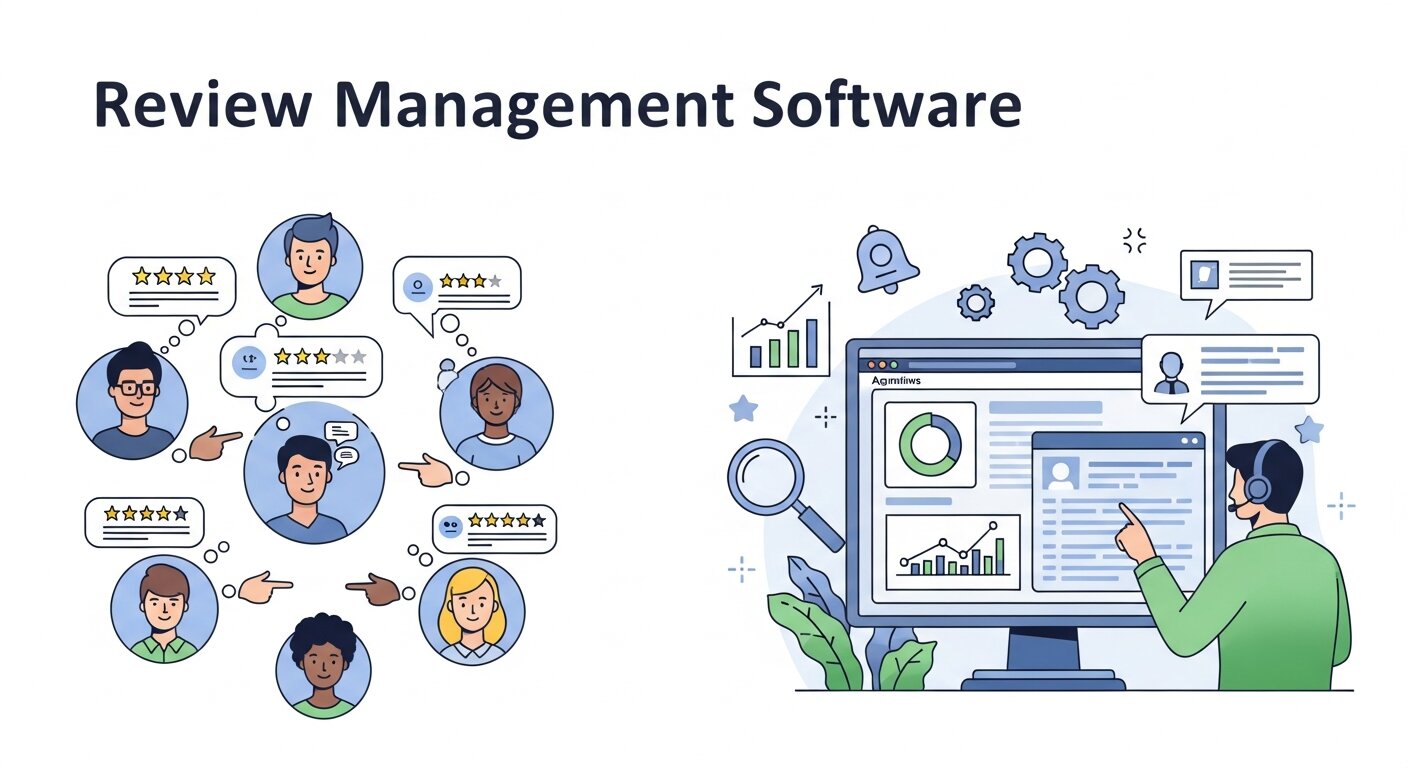
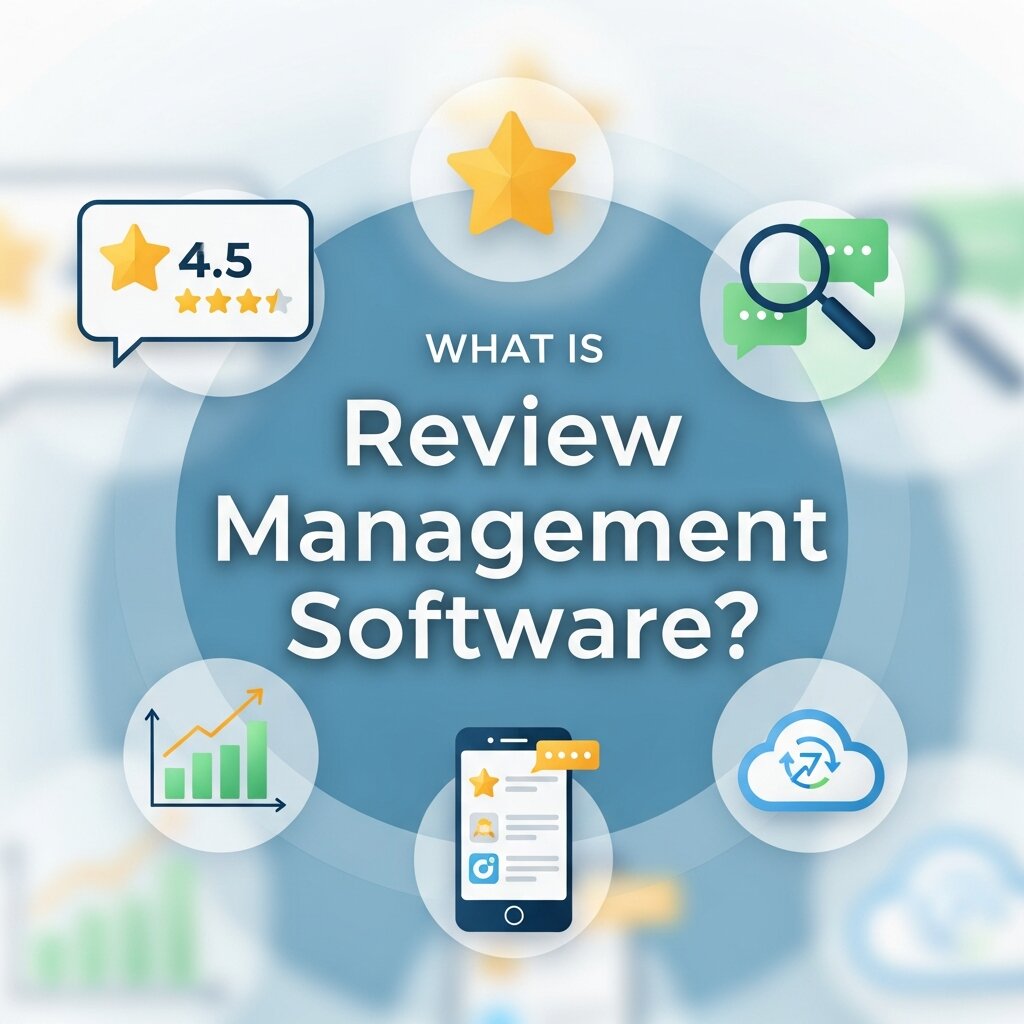 Review management software is a digital tool designed to help businesses monitor, generate, and respond to online reviews from a single dashboard. Instead of logging into Google Business Profile, Yelp, Facebook, and industry-specific directories separately, a user logs into one central hub.
The software aggregates all incoming feedback in real-time. It provides notifications when new ratings are posted, offers templates for responding quickly, and analyzes the text to identify common themes. Additionally, these platforms often include automated features to request new reviews from customers via email or SMS after a completed transaction.
Top Reasons to Invest in Review Management Software
Adopting this technology offers numerous tangible benefits across your marketing, sales, and customer service departments. Here are the most compelling reasons to integrate this software into your daily operations.
Centralizing Your Online Presence
Time is a finite resource for any business owner or marketing team. Checking multiple websites every day for new comments is an inefficient use of that time. Review management software pulls all of this data into a unified inbox.
This centralization ensures that nothing falls through the cracks. A comment left on an obscure industry directory receives the same level of attention as a highly visible Google review. Team members can reply directly from the software dashboard, maintaining a consistent brand voice across all channels.
Automating the Request Process
Many businesses struggle to build a high volume of reviews simply because they forget to ask. Customers are often willing to share their positive experiences, but they need a gentle nudge. Doing this manually for every customer is tedious and inconsistent.
The best review software automates this entire workflow. You can set triggers within your point-of-sale system or customer relationship management (CRM) tool. When a customer makes a purchase or completes a service, the software automatically sends an email or text message thanking them and providing a direct link to leave a review. This seamless process dramatically increases the volume of incoming positive feedback.
Mitigating Negative Feedback Quickly
Speed is critical when dealing with an unhappy customer. A swift response can sometimes turn a frustrated buyer into a loyal brand advocate. If a customer posts a one-star rating complaining about a late delivery, an immediate reply offering a solution or an apology diffuses the situation.
Review management software sends instant alerts when low ratings are published. This allows your customer service team to prioritize these urgent issues. By addressing the problem publicly and promptly, you show prospective buyers that you stand behind your product or service and are committed to making things right.
Boosting Local SEO and Search Rankings
Search engines like Google use online reviews as a major ranking factor, particularly for local search results. When a user searches for “plumbers near me,” the search algorithm looks at the quantity, quality, and recency of reviews for local plumbing businesses.
Companies with a high volume of recent, positive reviews are far more likely to appear in the highly coveted “Local Pack”—the top three localized results shown on the search page. Because review management software helps you consistently generate new feedback, it directly contributes to higher search visibility and increased organic website traffic.
Gathering Actionable Business Insights
Customer feedback is a goldmine of operational data. If multiple people mention that your checkout process is confusing, you know exactly what needs to be fixed on your website. If several diners praise a specific server, you know who deserves a promotion.
Advanced software platforms use artificial intelligence to analyze the sentiment of your reviews. They can highlight frequently used keywords and track trends over time. This data allows leadership teams to make informed, objective decisions about product development, staffing, and customer experience improvements.
How to Choose the Best Review Software for Your Team
The market is flooded with different platforms, each offering a slightly different mix of features. Selecting the right one requires a clear understanding of your organizational goals.
First, consider the integrations available. The software must seamlessly connect with your existing CRM, marketing tools, and the specific review platforms that matter most in your industry. A specialized healthcare clinic will need integrations with different directories than a local auto repair shop.
Next, evaluate the user interface. The platform should be intuitive and easy to navigate. If the software is overly complex, your team will resist using it, defeating the purpose of the investment. Request a demonstration and ask your customer service representatives to test the workflow.
Finally, examine the reporting and analytics capabilities. The ability to visualize review trends, track response times, and measure overall sentiment is crucial for proving the return on investment to stakeholders. Ensure the platform provides clear, exportable reports that align with your key performance indicators.
Leveraging Review Data for Marketing Campaigns
 Customer reviews are more than just feedback; they are powerful marketing assets. Businesses can repurpose positive reviews into testimonials for websites, social media posts, and advertising campaigns. Highlighting real customer experiences builds credibility and resonates more strongly than traditional promotional messages. Review management software makes it easy to identify high-quality feedback and showcase it across different channels. Additionally, analyzing recurring positive themes helps marketers understand what customers love most about a product or service. This insight can shape future campaigns, ensuring messaging aligns with real customer expectations. By integrating review data into marketing strategies, businesses can create authentic, trust-driven campaigns that drive higher engagement and conversion rates.
Enhancing Customer Engagement Through Responses
Engaging with customers through review responses is an essential part of building strong relationships. When businesses take the time to reply to reviews, whether positive or negative, it shows that they value customer opinions. This interaction fosters trust and encourages repeat business. Review management software simplifies this process by offering templates and centralized communication tools. Personalized responses can turn satisfied customers into loyal advocates, while thoughtful replies to negative feedback can repair relationships and demonstrate accountability. Consistent engagement also signals to potential customers that your brand is active and responsive. Over time, this approach helps create a community around your business, where customers feel heard and appreciated.
Scaling Reputation Management Across Multiple Locations
For businesses with multiple locations, managing reviews can become increasingly complex. Each branch may receive feedback on different platforms, making it difficult to maintain consistency. Review management software addresses this challenge by providing a unified system that tracks reviews for all locations in one place. It allows managers to monitor performance, compare ratings, and ensure consistent responses across branches. This centralized approach helps maintain a cohesive brand image while still addressing location-specific concerns. Additionally, businesses can identify top-performing locations and replicate their success strategies elsewhere. By scaling reputation management effectively, companies can maintain high standards and deliver a consistent customer experience across all locations.
Measuring ROI from Review Management Efforts
Investing in review management software should deliver measurable results, and tracking return on investment (ROI) is essential. These platforms provide detailed analytics that link customer feedback to business outcomes such as increased sales, improved retention, and higher search rankings. Businesses can monitor key metrics like review volume, average ratings, response times, and customer sentiment trends. By analyzing this data, teams can identify which strategies are driving the most impact. For example, faster response times may correlate with improved customer satisfaction scores. Understanding these connections allows businesses to refine their approach and maximize value. Ultimately, measuring ROI ensures that review management efforts contribute directly to long-term growth and profitability.
Frequently Asked Questions
1. What is review management software?
Review management software is a tool that helps businesses monitor, collect, and respond to customer reviews from multiple platforms in one centralized dashboard. It simplifies managing online reputation and customer feedback.
2. Why is review management software important for businesses?
It helps maintain a positive online reputation, improves customer trust, and ensures timely responses to feedback. It also saves time by automating review collection and monitoring processes.
3. Which platforms can review management software integrate with?
Most tools integrate with popular platforms like Google Business Profile, Facebook, Yelp, and industry-specific directories such as TripAdvisor, Zillow, or Healthgrades.
4. Can review management software remove negative reviews?
No, it cannot delete genuine reviews. However, it helps you respond quickly, resolve issues, and flag inappropriate or fake reviews for removal according to platform policies.
5. How does review management software improve SEO?
It encourages consistent positive reviews, which are a key ranking factor for local SEO. More high-quality reviews can improve your visibility in search results and attract more customers.
6. Is review management software suitable for small businesses?
Yes, it is highly beneficial for small businesses. It automates time-consuming tasks and helps build a strong local reputation, which is essential for growth.
7. How does automation help in review collection?
The software can automatically send emails or SMS requests to customers after a purchase or service, encouraging them to leave feedback without manual effort.
8. What features should I look for in review management software?
Key features include multi-platform integration, automated review requests, real-time alerts, response management, analytics, and user-friendly dashboards.
9. Can review management software help handle negative feedback?
Yes, it provides instant alerts for negative reviews so businesses can respond quickly, resolve issues, and demonstrate strong customer service.
10. Is review management software worth the investment?
Absolutely. It helps increase customer trust, improves online visibility, saves time, and ultimately drives more sales and business growth.
Take Control of Your Online Reputation
Your customers are already talking about your business online. The only question is whether you are actively participating in that conversation or letting it happen without you.
Relying on manual processes to track customer sentiment is no longer a viable strategy. Review management software provides the infrastructure needed to protect your brand, build consumer trust, and drive meaningful revenue growth. By centralizing feedback, automating review requests, and providing deep analytical insights, this technology empowers your team to deliver exceptional customer experiences at scale.